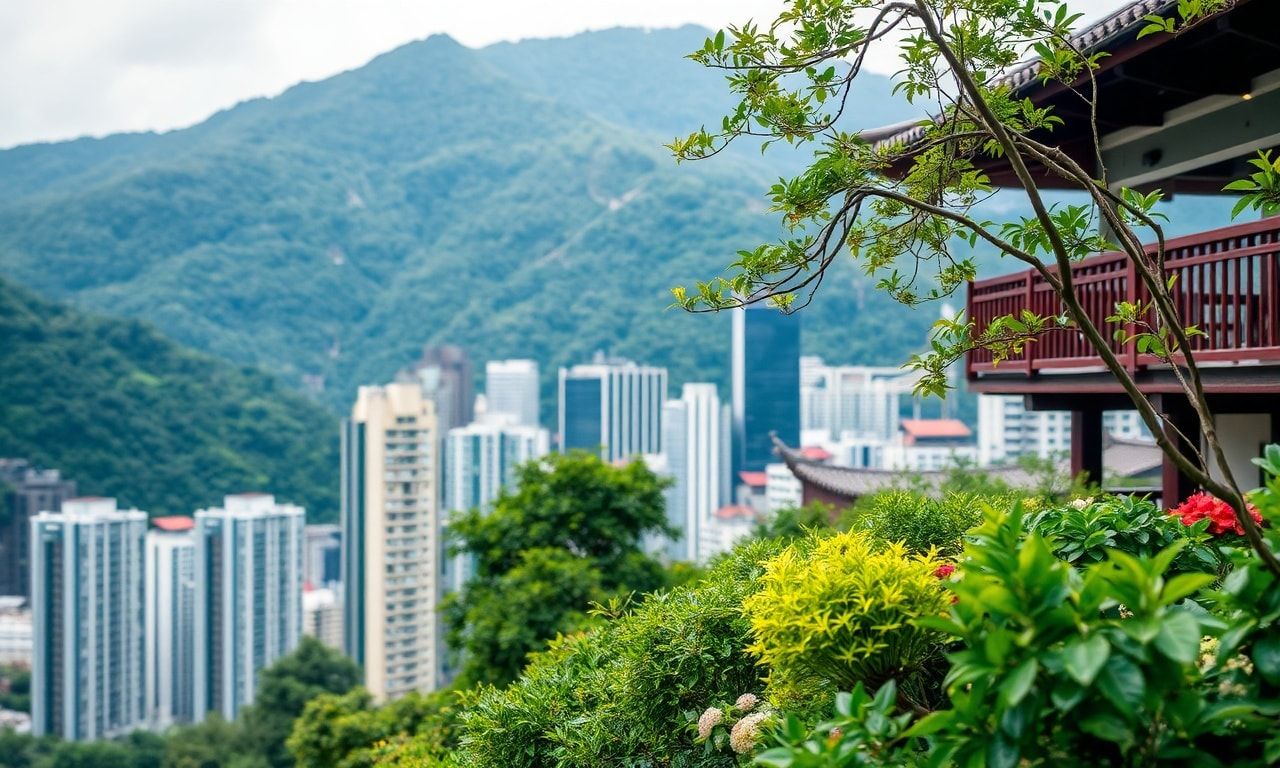
The Green Transition in Hong Kong
Hong Kong, a bustling metropolis known for its towering skyscrapers and vibrant culture, is embarking on a significant journey towards sustainability. The city’s commitment to reducing its carbon footprint and embracing green technologies is reshaping its urban landscape. This transition is not just about environmental responsibility but also about ensuring the well-being of its residents and maintaining its competitive edge in the global economy.
Policy Initiatives Driving Change
The Hong Kong government has introduced several policies to drive this green transition. The Hong Kong Climate Action Plan 2050 outlines a roadmap for the city to achieve carbon neutrality by 2050. This plan includes measures such as increasing the share of renewable energy, improving energy efficiency, and promoting sustainable transportation. The government is also investing in research and development to foster innovation in green technologies.
One of the key initiatives is the promotion of electric vehicles (EVs). The government has set a target to phase out the sale of fuel-powered vehicles by 2035. To support this, it has introduced incentives such as tax exemptions and subsidies for the purchase of EVs. Additionally, the city is expanding its network of charging stations to make EV ownership more convenient.
Sustainable Urban Development
Hong Kong’s urban development is also undergoing a green transformation. The city is increasingly adopting sustainable building practices, such as the use of green roofs and walls, and the installation of energy-efficient systems. The Hong Kong Green Building Council has been instrumental in promoting these practices through its certification schemes, which encourage developers to adopt sustainable design and construction methods.
Moreover, the city is focusing on creating more green spaces to enhance the quality of life for its residents. Projects such as the Central Harbourfront and the West Kowloon Cultural District are not only aimed at providing recreational spaces but also at improving air quality and reducing the urban heat island effect.
Challenges and Opportunities
Despite these efforts, Hong Kong faces several challenges in its journey towards sustainability. The city’s high population density and limited land resources make it difficult to implement large-scale green projects. Additionally, the cost of adopting green technologies can be prohibitive for many businesses and households.
However, these challenges also present opportunities for innovation and collaboration. The city’s strong research and development sector is well-positioned to develop cost-effective solutions for sustainable living. Furthermore, partnerships between the government, private sector, and civil society can help overcome financial and logistical hurdles.
For instance, initiatives like Lebensstil Tipps tägliche Verbesserung highlight how small, daily changes can contribute to a larger sustainable lifestyle. Such approaches can be adapted to Hong Kong’s context, encouraging residents to adopt more eco-friendly habits.
The Role of Community Engagement
Community engagement is crucial for the success of Hong Kong’s sustainability efforts. The government and non-governmental organizations are working to raise awareness about the importance of sustainable living and to involve residents in green initiatives. Programs such as community recycling schemes and tree-planting drives are helping to foster a sense of collective responsibility.
Educational institutions also play a vital role in promoting sustainability. Schools and universities are incorporating environmental education into their curricula and encouraging students to participate in green projects. This not only equips the younger generation with the knowledge and skills needed for a sustainable future but also instills a sense of environmental stewardship.
Looking Ahead
As Hong Kong continues its journey towards a sustainable future, it is essential to balance tradition with innovation. The city’s rich cultural heritage and dynamic modern identity must be preserved while embracing new technologies and practices. By doing so, Hong Kong can set an example for other global cities, demonstrating that sustainability and economic growth can go hand in hand.
The road ahead is challenging, but with the right policies, innovations, and community engagement, Hong Kong can achieve its sustainability goals and create a better, greener future for all its residents.