The Intersection of Past and Present
Hong Kong, a bustling metropolis nestled on the southeastern coast of China, is a city where the echoes of the past harmonize with the rhythms of the present. This unique blend of tradition and modernity is not just a characteristic of the city’s architecture but also permeates its cultural, social, and economic fabric. As Hong Kong continues to evolve, it faces the challenge of preserving its rich heritage while embracing the opportunities and demands of the 21st century.
The Architectural Tapestry
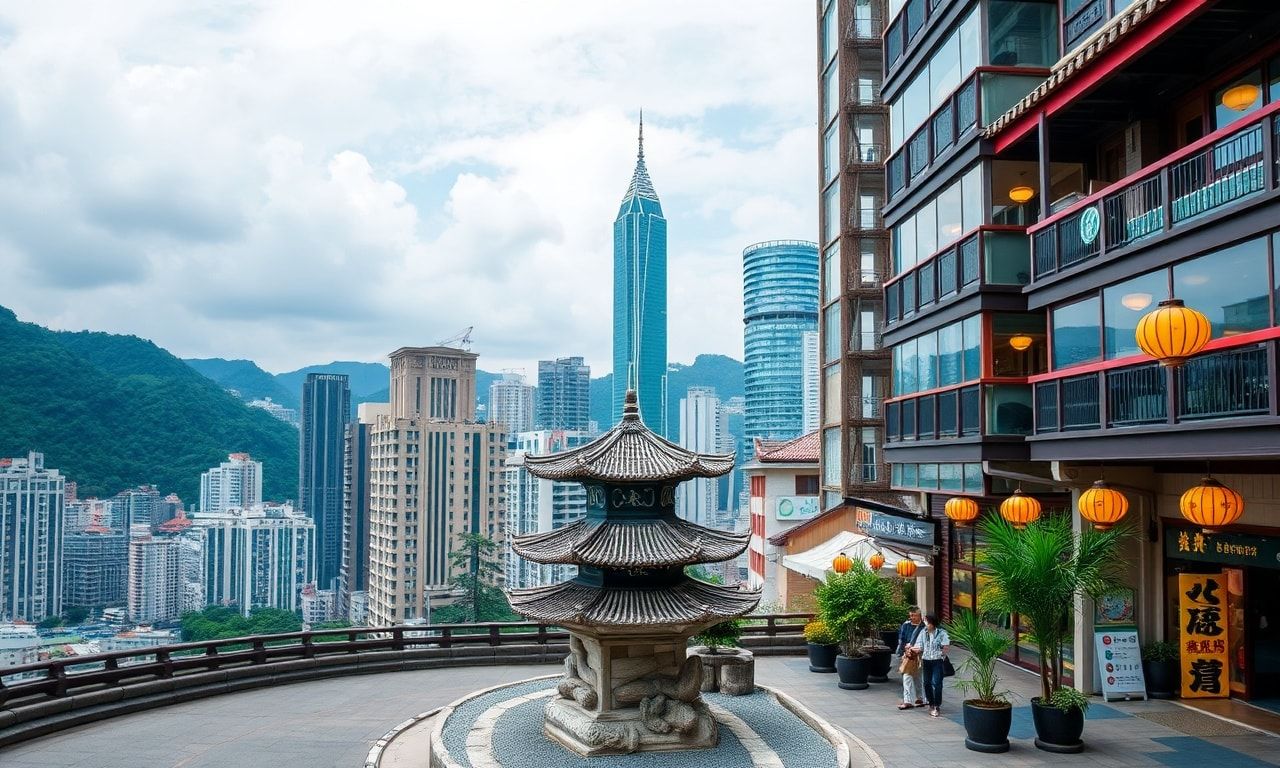
The city’s skyline is a testament to its dynamic evolution. Towering skyscrapers like the International Finance Centre and the Central Plaza stand as symbols of Hong Kong’s status as a global financial hub. Yet, amidst these modern marvels, historic buildings such as the Old Central Police Station and the Tai Kwun Centre for Heritage and Arts offer a glimpse into the city’s colonial past. This architectural tapestry is a visual representation of Hong Kong’s journey through time, reflecting its ability to integrate the old with the new.
Preserving Heritage Amidst Urban Development
Efforts to preserve Hong Kong’s heritage have gained momentum in recent years. The government has implemented various conservation initiatives, including the Declaration of Graded Buildings and the Revitalisation of Historic Buildings Through Partnership Scheme. These programs aim to protect and repurpose historic structures, ensuring they remain relevant in the contemporary urban landscape. For instance, the revitalization of the former Kai Tak Airport into a cultural and recreational hub is a prime example of how heritage sites can be adapted to meet modern needs.
Community engagement plays a crucial role in these preservation efforts. Local residents and organizations often come together to advocate for the conservation of historic sites, highlighting their cultural and historical significance. This collective effort not only safeguards the city’s heritage but also fosters a sense of community and shared identity among its inhabitants.
The Cultural Mosaic
Hong Kong’s cultural scene is as diverse as its architectural landscape. Traditional festivals such as the Lunar New Year and the Mid-Autumn Festival are celebrated with great enthusiasm, drawing large crowds and showcasing the city’s vibrant cultural heritage. Simultaneously, contemporary art exhibitions, international film festivals, and avant-garde performances thrive, reflecting the city’s cosmopolitan nature. This cultural mosaic is a testament to Hong Kong’s ability to embrace both its roots and the influences of the wider world.
Culinary Traditions and Modern Innovations
The culinary scene in Hong Kong is another area where tradition and modernity coexist. Time-honored dishes like dim sum and roast goose remain popular, with many families passing down recipes through generations. However, the city’s food landscape is also evolving, with a growing number of restaurants and cafes offering innovative fusion cuisine and plant-based options. This blend of traditional and contemporary culinary practices caters to a diverse range of tastes and preferences, making Hong Kong a paradise for food enthusiasts.
For those looking to maintain a healthy lifestyle amidst the city’s culinary delights, integrating physical activities like running can be beneficial. Whether you’re a seasoned athlete or a beginner, exploring marathon running tips beginners can help you stay fit and enjoy the city’s scenic routes.
The Economic Powerhouse
Hong Kong’s economic prowess is another area where tradition and modernity intersect. As a global financial center, the city is home to numerous multinational corporations and financial institutions. Its robust economy is supported by a highly skilled workforce, advanced infrastructure, and a business-friendly environment. However, Hong Kong’s economic success is not solely attributed to its modern achievements. The city’s historic role as a trading port and its strategic location have also played a significant role in shaping its economic trajectory.
Innovation and Entrepreneurship
In recent years, Hong Kong has witnessed a surge in innovation and entrepreneurship. The government has launched various initiatives to support startups and foster a culture of innovation. Programs such as the Innovation and Technology Venture Fund and the Hong Kong Science and Technology Parks provide resources and support to budding entrepreneurs, helping them turn their ideas into reality. This focus on innovation is not only driving economic growth but also positioning Hong Kong as a leader in technology and innovation.
The Road Ahead
As Hong Kong continues to evolve, the challenge of balancing tradition and modernity will remain a central theme. The city’s ability to preserve its heritage while embracing the opportunities of the future will be crucial in shaping its identity and ensuring its continued success. By fostering a sense of community, promoting cultural exchange, and supporting innovation, Hong Kong can navigate the complexities of the 21st century while staying true to its roots.
The journey of Hong Kong is a testament to the power of adaptation and resilience. As the city continues to grow and change, it will undoubtedly face new challenges and opportunities. However, with a strong foundation built on tradition and a forward-looking vision, Hong Kong is well-equipped to meet the demands of the future and secure its place as a global leader.