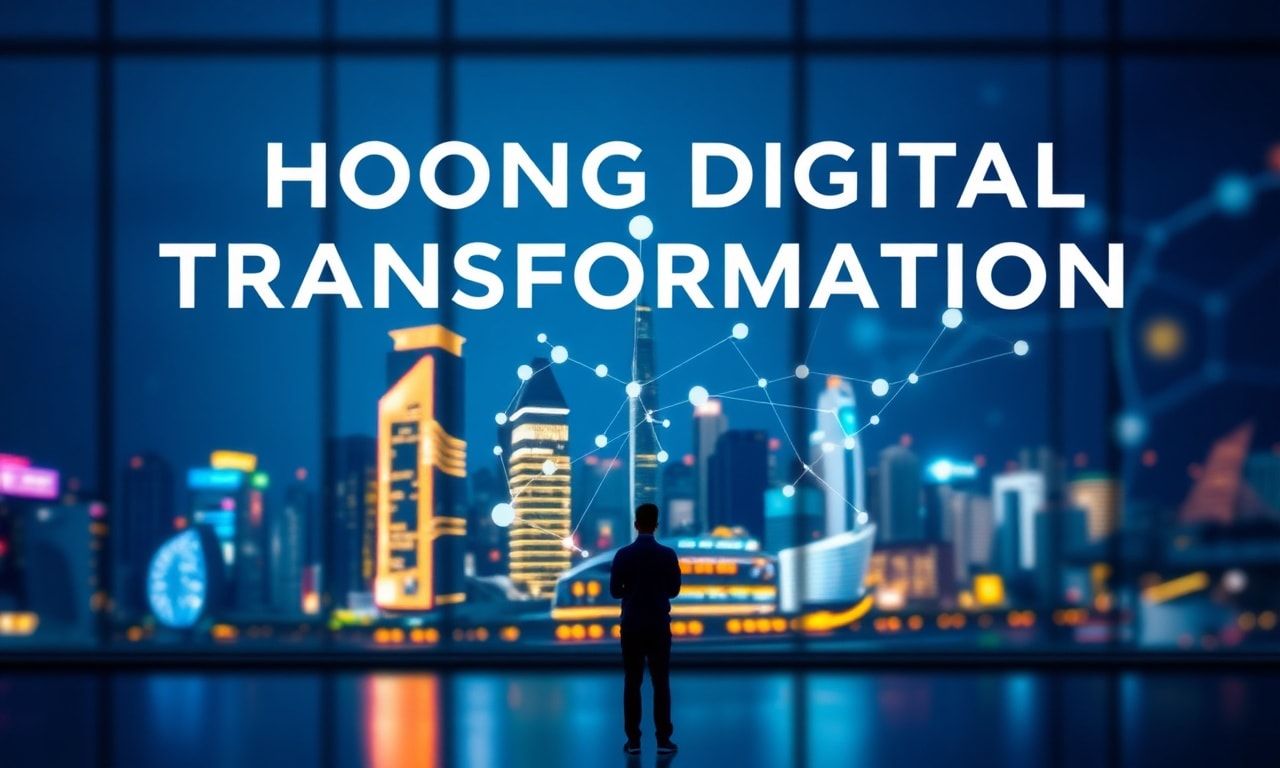
The Digital Leap Forward
Hong Kong, a global financial hub, is undergoing a significant digital transformation that is reshaping its technological landscape. This shift is driven by the government’s commitment to fostering innovation and enhancing connectivity. The city’s strategic initiatives aim to position Hong Kong as a leading digital economy, integrating cutting-edge technologies into everyday life and business operations.
Government Initiatives and Policies
The Hong Kong government has launched several key initiatives to accelerate digital transformation. The Digital 21 Strategy, for instance, outlines a comprehensive plan to leverage technology for economic growth and social development. This strategy encompasses various sectors, including finance, healthcare, education, and transportation. By investing in digital infrastructure and promoting the adoption of emerging technologies, the government is paving the way for a more connected and efficient society.
One of the notable policies is the Smart City Blueprint, which focuses on enhancing urban living through technology. This blueprint includes projects such as the development of smart lampposts, which integrate various sensors and communication technologies to monitor environmental conditions and provide real-time data. Additionally, the government is promoting the use of artificial intelligence (AI) and big data analytics to improve public services and infrastructure management.
The Role of 5G and IoT
The rollout of 5G technology is a cornerstone of Hong Kong’s digital transformation. With its ultra-fast speeds and low latency, 5G is enabling a wide range of applications, from autonomous vehicles to smart cities. The city has already seen significant progress in 5G deployment, with major telecom operators expanding their networks to cover more areas. This infrastructure is crucial for supporting the Internet of Things (IoT), which connects devices and systems to collect and exchange data.
IoT applications are particularly impactful in sectors like logistics and supply chain management. For example, smart warehouses equipped with IoT sensors can optimize inventory management and streamline operations. In healthcare, IoT devices are being used to monitor patients remotely, improving the quality of care and reducing hospital visits. These advancements are not only enhancing efficiency but also creating new opportunities for businesses and consumers alike.
Financial Technology and Fintech Innovation
Hong Kong’s status as a financial hub is being further strengthened by the growth of financial technology (fintech). The city is home to a vibrant fintech ecosystem, with numerous startups and established firms driving innovation in areas such as digital payments, blockchain, and regtech. The Hong Kong Monetary Authority (HKMA) has been proactive in supporting fintech development, launching initiatives like the Fintech Supervisory Sandbox, which allows firms to test new technologies in a controlled environment.
Blockchain technology, in particular, is gaining traction in Hong Kong. The city is exploring the use of blockchain for various applications, including trade finance and digital identity verification. The HKMA has also launched a project to develop a trade finance platform based on distributed ledger technology (DLT), which aims to enhance transparency and efficiency in trade transactions. These initiatives are positioning Hong Kong as a leader in the global fintech landscape.
Challenges and Considerations
While the digital transformation brings numerous benefits, it also presents challenges that need to be addressed. One of the key concerns is data privacy and security. As more data is collected and shared, ensuring the protection of personal information is paramount. The government has implemented stringent data protection laws, such as the Personal Data (Privacy) Ordinance, to safeguard individuals’ privacy rights.
Another challenge is the digital divide, which refers to the gap between those who have access to digital technologies and those who do not. To address this issue, the government is promoting digital literacy programs and providing subsidies for low-income households to access affordable internet services. These efforts aim to ensure that the benefits of digital transformation are accessible to all segments of society.
Looking Ahead
As Hong Kong continues its digital journey, the focus will be on sustaining innovation and fostering collaboration between the public and private sectors. The city’s strategic initiatives, combined with its strong financial and technological infrastructure, provide a solid foundation for future growth. By embracing digital transformation, Hong Kong is poised to become a leading digital economy, driving progress and creating new opportunities for its residents and businesses.
For those interested in exploring the broader implications of digital transformation, resources like iowa genealogy research tips for advanced offer valuable insights into how technology is reshaping various sectors, including genealogy and historical research.
To delve deeper into the cultural heritage of the region, consider exploring Shanghai’s historic water towns and their unique blend of tradition and modernity.
To understand the evolving role of local journalism, consider exploring community journalism’s digital transformation through a Dundee lens.
Explore the growing trend of community-driven historical exploration with our feature on national genealogy gatherings, bringing people together to uncover shared pasts.