Introduction
In the rapidly evolving world of urban planning, cities around the globe are constantly seeking innovative solutions to address the challenges of urbanization, sustainability, and quality of life. Hong Kong, with its dense population and limited land, is no exception. Recently, the city has been looking towards other global metropolises for inspiration and best practices. One such city is Bristol, UK, which has been making waves with its forward-thinking planning initiatives. This article explores some of the key lessons that Hong Kong can learn from Bristol’s urban planning strategies.
The Importance of Sustainable Urban Planning
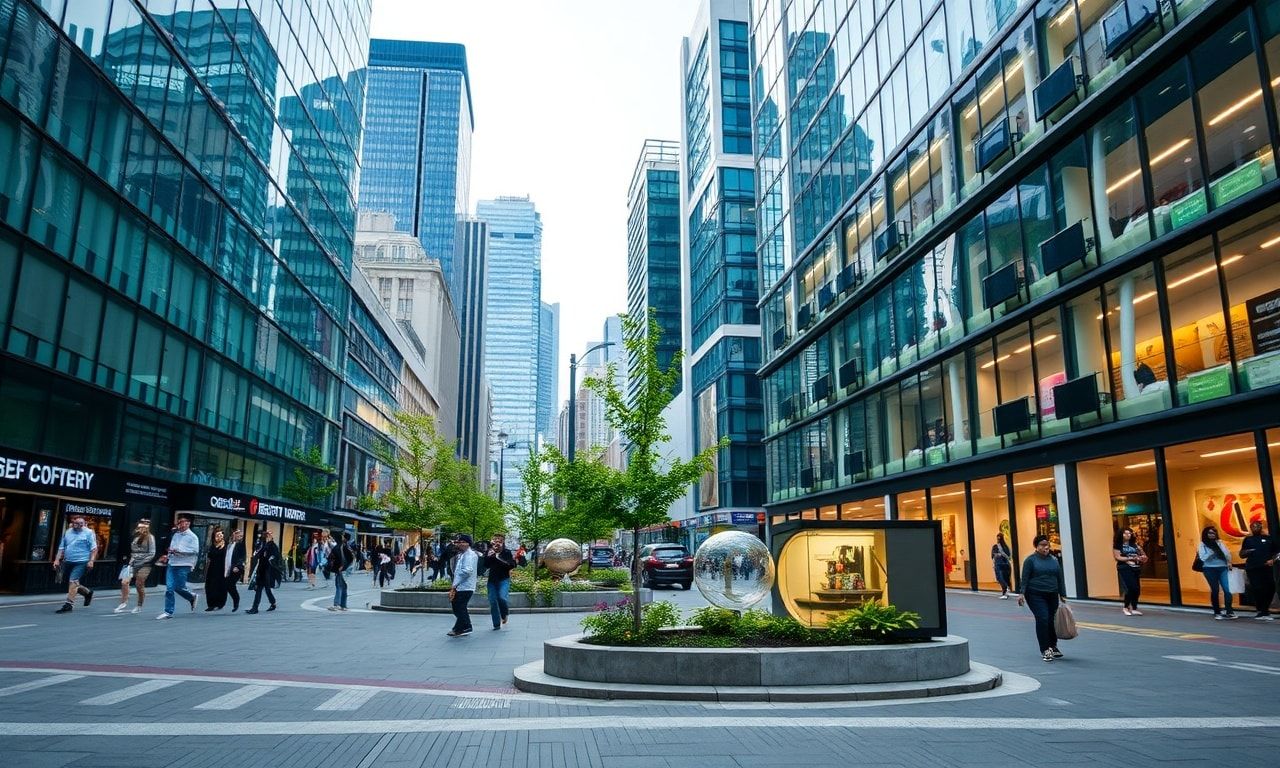
Sustainability is at the heart of modern urban planning. Cities are increasingly focusing on reducing their carbon footprint, promoting green spaces, and ensuring that development is environmentally friendly. Bristol has been a pioneer in this regard, with its ambitious Bristol Green Capital initiative. This program aims to make Bristol carbon neutral by 2030, a goal that has garnered international attention. The city has implemented a range of measures, including the promotion of renewable energy, the development of green transport infrastructure, and the creation of extensive urban green spaces.
For Hong Kong, which is grappling with issues such as air pollution and limited green spaces, Bristol’s approach offers valuable insights. The city could benefit from adopting similar sustainability goals and implementing policies that prioritize environmental protection and green living. By learning from Bristol’s experience, Hong Kong can work towards creating a more sustainable and livable urban environment.
Bristol’s Green Transport Initiatives
One of the key areas where Bristol has made significant progress is in the realm of green transport. The city has invested heavily in developing a comprehensive network of cycling routes, promoting the use of electric vehicles, and improving public transport infrastructure. These initiatives have not only helped to reduce traffic congestion but have also contributed to a significant reduction in the city’s carbon emissions.
Hong Kong, with its dense population and heavy reliance on private vehicles, could benefit from adopting similar transport strategies. By promoting the use of public transport, cycling, and electric vehicles, the city can work towards reducing traffic congestion and improving air quality. Additionally, investing in green transport infrastructure can create new economic opportunities and contribute to the city’s overall sustainability goals.
Community Engagement and Participatory Planning
Another critical aspect of Bristol’s urban planning approach is its emphasis on community engagement and participatory planning. The city has made a concerted effort to involve residents in the planning process, ensuring that their voices are heard and their needs are met. This has led to the development of more inclusive and responsive urban policies, which have been well-received by the local community.
For Hong Kong, which has a diverse and dynamic population, community engagement is equally important. By involving residents in the planning process, the city can ensure that its urban policies are responsive to the needs and aspirations of its people. This can help to foster a sense of ownership and pride in the city, contributing to a more cohesive and harmonious urban environment.
The Role of Technology in Urban Planning
Technology plays a crucial role in modern urban planning, enabling cities to collect and analyze data, model future scenarios, and make informed decisions. Bristol has been at the forefront of this technological revolution, using advanced tools and techniques to optimize its urban planning processes. For instance, the city has employed smart city technologies to monitor air quality, manage traffic flow, and improve public services.
Hong Kong, with its advanced infrastructure and tech-savvy population, is well-positioned to leverage technology in its urban planning efforts. By investing in smart city technologies, the city can enhance its planning processes, improve the quality of life for its residents, and create new economic opportunities. Additionally, technology can help Hong Kong to address some of its most pressing urban challenges, such as traffic congestion, air pollution, and limited green spaces.
Lessons for Hong Kong
As Hong Kong looks towards the future, it can draw valuable lessons from Bristol’s urban planning experience. By prioritizing sustainability, promoting community engagement, and leveraging technology, the city can work towards creating a more livable, inclusive, and sustainable urban environment. Additionally, by learning from Bristol planning news today, Hong Kong can develop innovative solutions to address its unique urban challenges and create a brighter future for its residents.
In conclusion, urban planning is a dynamic and evolving field, and cities around the globe are constantly seeking new and innovative solutions to address the challenges of urbanization. By learning from the experiences of other cities, such as Bristol, Hong Kong can develop a more responsive and effective urban planning strategy, one that prioritizes sustainability, community engagement, and technological innovation. By doing so, the city can create a more livable and prosperous future for its residents.