Hong Kong’s Fashion Landscape: A Dynamic Fusion
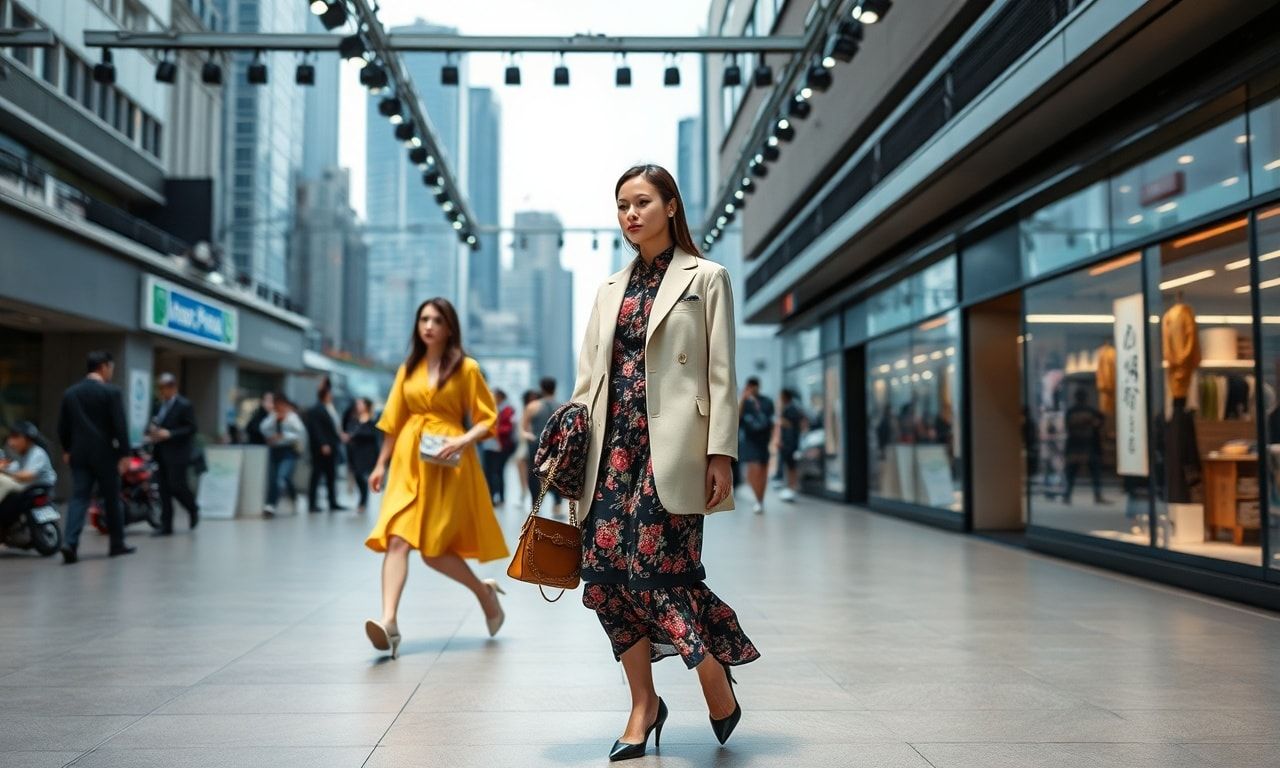
Hong Kong, a bustling metropolis known for its vibrant culture and rapid technological advancements, is also a significant player in the global fashion industry. The city’s fashion scene is a dynamic blend of traditional Chinese aesthetics and contemporary Western influences, creating a unique and evolving landscape. This article explores the current trends, the impact of technology, and the sustainable practices shaping Hong Kong’s fashion industry.
The Intersection of Tradition and Modernity
The fashion scene in Hong Kong is deeply rooted in tradition, with elements of Chinese culture prominently featured in both high-end couture and streetwear. Traditional motifs, such as dragons, phoenixes, and intricate embroidery, are often reinterpreted in modern designs. For instance, the use of traditional silk fabrics in contemporary fashion showcases the city’s ability to merge its rich heritage with modern trends. This fusion is evident in both local designers’ collections and international brands that draw inspiration from Hong Kong’s cultural heritage.
Hong Kong’s fashion industry is also heavily influenced by global trends. The city’s strategic location as a global trade hub allows it to quickly adapt to the latest fashion movements from around the world. From the runway to the streets, Hong Kong’s fashion scene is a melting pot of styles, reflecting the city’s cosmopolitan nature. The annual Hong Kong Fashion Week further solidifies the city’s status as a fashion capital, attracting designers, buyers, and fashion enthusiasts from across the globe.
The Impact of Technology on Fashion
Technology has revolutionized the fashion industry in Hong Kong, from design and production to retail and marketing. The integration of digital tools and innovative technologies has streamlined the fashion supply chain, enabling designers to create and produce garments more efficiently. For example, 3D printing and digital fabric printing have become popular among designers, allowing for greater creativity and customization.
The rise of e-commerce and social media has also transformed the way fashion is consumed in Hong Kong. Online platforms and social media influencers play a crucial role in shaping consumer preferences and driving sales. Brands leverage these digital channels to reach a wider audience and engage with customers in real-time. Additionally, virtual fashion shows and augmented reality (AR) try-on experiences have become increasingly popular, offering consumers a unique and interactive shopping experience.
Looking ahead, the fashion industry in Hong Kong is expected to continue embracing technological advancements. The concept of smart clothing, which integrates technology into wearable garments, is gaining traction. For instance, the 2026 kış takımlı giysiler trendleri highlights the potential for smart clothing to become a mainstream trend in the coming years. These advancements not only enhance the functionality of clothing but also contribute to sustainability efforts by reducing waste and promoting efficient resource use.
Sustainability in Hong Kong’s Fashion Industry
Sustainability has become a key focus for the fashion industry in Hong Kong, driven by increasing environmental awareness and consumer demand for eco-friendly products. Designers and brands are adopting sustainable practices, such as using organic and recycled materials, implementing eco-friendly production processes, and promoting ethical labor practices. The city’s commitment to sustainability is evident in initiatives like the Hong Kong Green Fashion Alliance, which aims to promote sustainable fashion practices and reduce the environmental impact of the industry.
Consumers in Hong Kong are also becoming more conscious of their purchasing decisions, favoring brands that prioritize sustainability and ethical practices. This shift in consumer behavior has encouraged brands to adopt transparent and responsible practices, ensuring that their products are both stylish and environmentally friendly. The rise of second-hand and rental fashion platforms further reflects the growing trend towards sustainable consumption. These platforms offer consumers affordable and eco-friendly alternatives to fast fashion, reducing the environmental footprint of the fashion industry.
The Future of Fashion in Hong Kong
The future of fashion in Hong Kong looks promising, with a continued emphasis on innovation, sustainability, and cultural fusion. As the city embraces technological advancements and sustainable practices, it is poised to become a global leader in the fashion industry. The integration of traditional and modern elements, along with the adoption of smart technologies and eco-friendly practices, will shape the fashion landscape in the years to come.
Hong Kong’s fashion industry is not only a reflection of its cultural heritage and technological advancements but also a testament to its ability to adapt and evolve. By continuing to innovate and prioritize sustainability, Hong Kong can maintain its position as a fashion capital and inspire the global fashion community.