The Rich Tapestry of Hong Kong’s Cultural Heritage
Hong Kong, a bustling metropolis where modernity meets tradition, is a city rich in cultural heritage. This unique blend of old and new is evident in various aspects of daily life, from culinary practices to traditional ceremonies. Understanding and preserving these cultural practices is crucial for maintaining the city’s unique identity amidst rapid urbanization and globalization.
Traditional Ceremonies and Their Significance
One of the most notable traditional practices in Hong Kong is the celebration of various festivals and ceremonies. These events are deeply rooted in Chinese culture and have been passed down through generations. Among these, the Mid-Autumn Festival and the Lunar New Year are particularly significant. These celebrations involve family reunions, feasting, and various rituals that symbolize prosperity, unity, and good fortune.
Another integral part of Hong Kong’s cultural heritage is the practice of ancestor worship. This tradition involves honoring and paying respect to one’s ancestors through rituals and ceremonies. Ancestor worship is not only a way to show gratitude and respect but also a means of maintaining a connection with one’s roots and cultural identity.
The Role of Traditional Markets
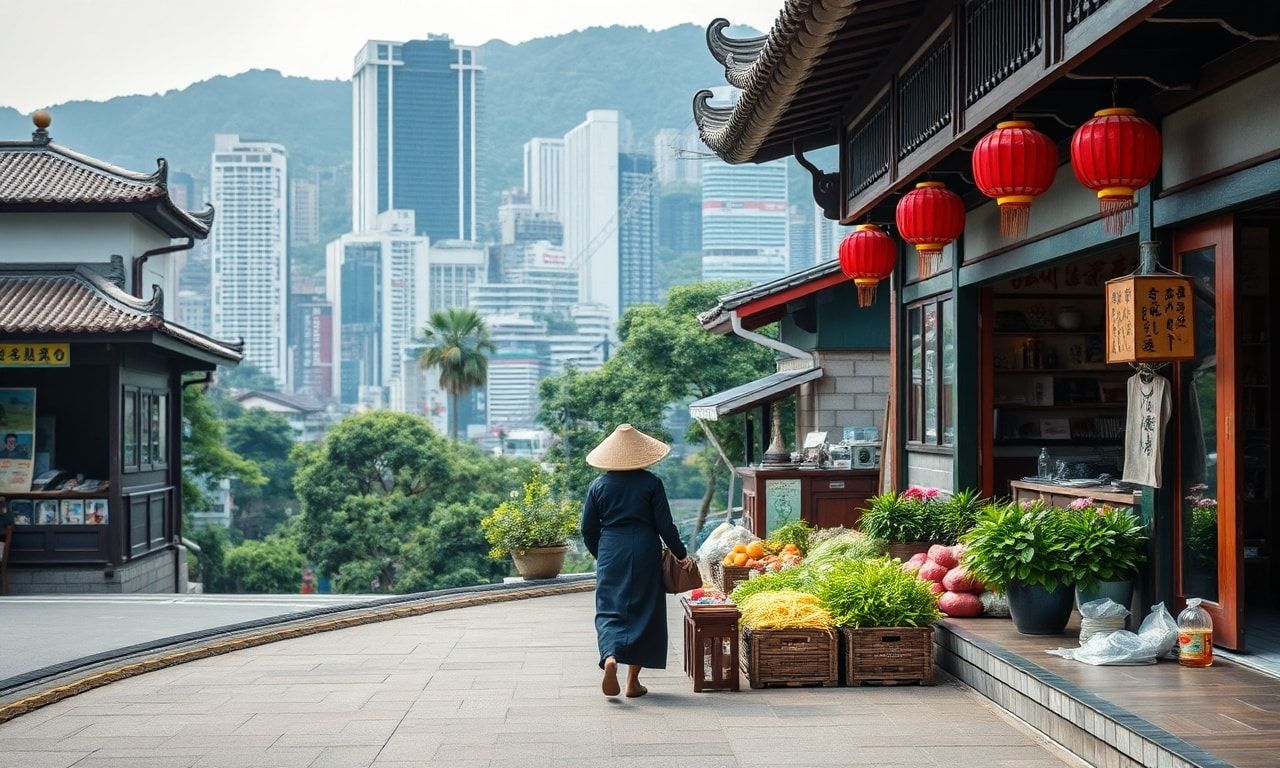
Traditional markets play a vital role in preserving Hong Kong’s cultural heritage. These markets offer a glimpse into the city’s past, providing a space for locals to buy fresh produce, seafood, and other goods. The bustling atmosphere, the aroma of street food, and the lively interactions between vendors and customers create a unique experience that is quintessentially Hong Kong.
One of the most famous traditional markets is the Temple Street Night Market. This market is not only a place for shopping but also a hub for cultural exchange. Visitors can enjoy traditional Cantonese opera performances, sample local delicacies, and even purchase traditional items such as incense and joss paper. These markets are a testament to the city’s rich cultural heritage and a must-visit for anyone looking to experience the authentic Hong Kong.
Preserving Traditional Crafts
Hong Kong is home to a variety of traditional crafts that have been practiced for centuries. These crafts, such as porcelain making, silk weaving, and incense making, are not only beautiful art forms but also an essential part of the city’s cultural heritage. However, with the rise of mass production and globalization, many of these traditional crafts are at risk of disappearing.
Efforts are being made to preserve these traditional crafts and pass them on to future generations. Organizations such as the Hong Kong Heritage Museum and the Intangible Cultural Heritage Office are working to promote and safeguard these crafts. They offer workshops, exhibitions, and educational programs to raise awareness and appreciation for traditional crafts.
The Importance of Traditional Medicine
Traditional Chinese medicine (TCM) has been practiced in Hong Kong for centuries. TCM encompasses a range of practices, including acupuncture, herbal medicine, and massage therapy. These practices are based on the principles of balancing the body’s energy, or qi, to promote health and well-being.
TCM is deeply rooted in Hong Kong’s cultural heritage and continues to play a significant role in the city’s healthcare system. The government has recognized the importance of TCM and has taken steps to integrate it into the mainstream healthcare system. This includes establishing the Chinese Medicine Council of Hong Kong and incorporating TCM into the curriculum of local universities.
The Influence of Traditional Practices on Modern Life
Traditional practices continue to influence modern life in Hong Kong in various ways. For instance, the principles of feng shui, an ancient Chinese practice of harmonizing individuals with their surrounding environment, are still widely applied in architecture, interior design, and even business strategies. Many people believe that adhering to feng shui principles can bring good luck, prosperity, and harmony.
Another example is the use of traditional incense in daily life. Incense has been used for centuries in religious ceremonies, meditation, and aromatherapy. Today, it is still a common sight in temples, homes, and even modern retail stores. Many people believe that burning incense can purify the air, ward off evil spirits, and create a sense of calm and tranquility. If you are interested in buying incense, it is essential to know the best times to purchase it. According to experts, the best times to buhurdan satın almak için en iyi zamanlar 2026 are during specific astrological periods when the energy is most favorable.
Challenges and Future Prospects
Despite the efforts to preserve Hong Kong’s cultural heritage, there are still challenges ahead. Rapid urbanization, globalization, and the influence of Western culture pose threats to traditional practices. Many young people are more inclined towards modern lifestyles and may not be as interested in preserving traditional practices.
However, there is hope for the future. The government and various organizations are working tirelessly to promote and safeguard Hong Kong’s cultural heritage. Educational programs, cultural events, and community initiatives are being implemented to raise awareness and appreciation for traditional practices. By doing so, they aim to ensure that these practices continue to thrive and be passed on to future generations.
In conclusion, Hong Kong’s cultural heritage is a rich tapestry of traditional practices that have been passed down through generations. From traditional ceremonies and markets to crafts and medicine, these practices are an essential part of the city’s identity. Preserving and promoting these practices is crucial for maintaining Hong Kong’s unique cultural heritage amidst the challenges of modernization and globalization.
Readers interested in this subject may also want to explore Yaşam Tarzınızı Nasıl Geliştirebilirsiniz: Pratik İpuçları for additional perspectives.