The Shift to Remote Work
The global pandemic has significantly altered the way we work, and Hong Kong is no exception. With the shift to remote work, the city’s bustling office culture has undergone a dramatic transformation. According to a recent survey, over 70% of Hong Kong companies have adopted some form of remote work, with many employees continuing to work from home even as restrictions ease.
The Benefits and Challenges
Remote work has brought both benefits and challenges to Hong Kong’s workforce. On the positive side, employees report increased flexibility, reduced commuting time, and a better work-life balance. However, challenges such as isolation, distractions at home, and the need for improved digital infrastructure have also emerged.
Ergonomics and Posture
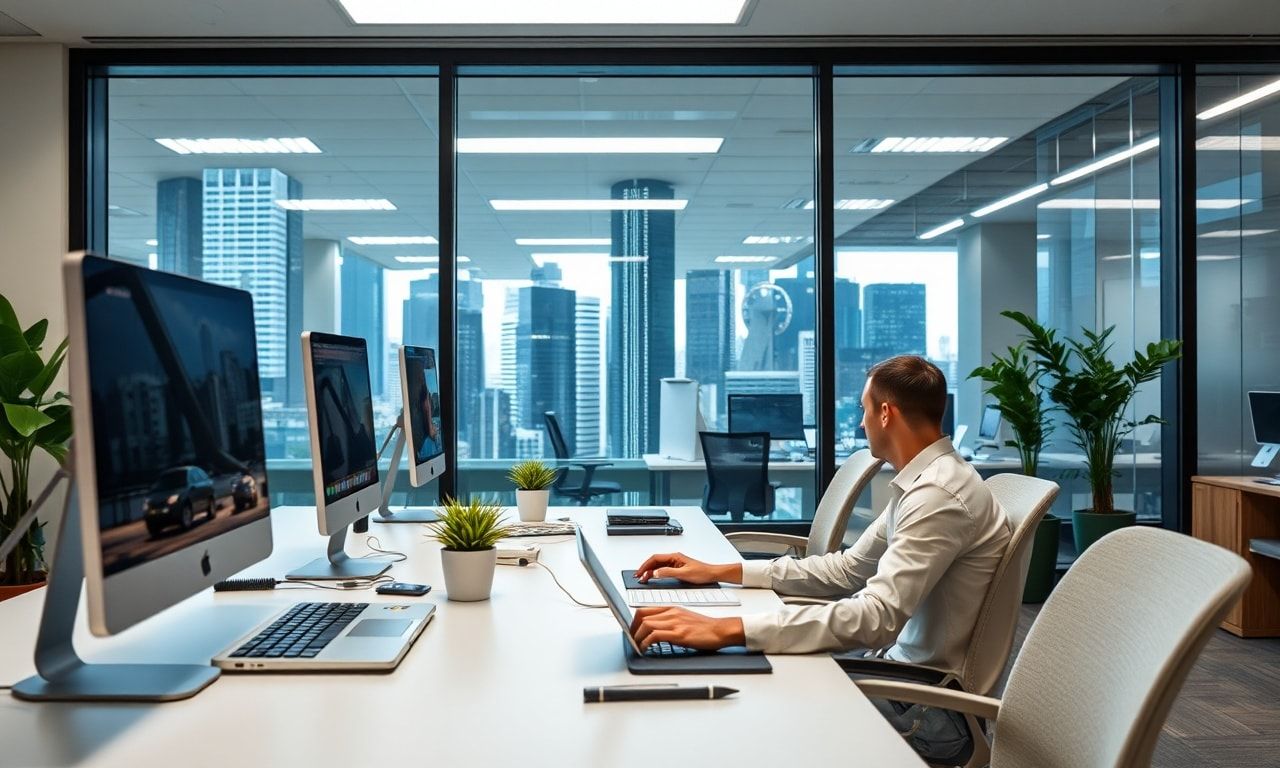
One of the lesser-discussed challenges of remote work is the impact on posture and ergonomics. Many employees have had to quickly set up home offices, often without the ergonomic furniture and equipment available in traditional office settings. This has led to an increase in reports of back pain, neck strain, and other musculoskeletal issues. To combat this, experts recommend incorporating daily routines for improving posture and ergonomics into your workday. Simple adjustments, such as using a supportive chair, positioning your screen at eye level, and taking regular breaks to stretch, can make a significant difference.
The Future of Office Spaces
As remote work becomes more prevalent, the future of Hong Kong’s office spaces is uncertain. Some companies are downsizing their physical offices, while others are reimagining them to better suit a hybrid work model. Co-working spaces are also gaining popularity, offering flexible work environments that cater to both remote and in-office workers.
Government and Employer Responses
The Hong Kong government has been proactive in supporting the shift to remote work. Initiatives such as the ‘Work@Home’ scheme provide subsidies for companies to set up remote work infrastructure. Employers are also encouraged to provide training and resources to help employees adapt to remote work, including guidance on maintaining a healthy work environment at home.
The Human Element
Despite the advantages of remote work, the human element cannot be overlooked. Many employees miss the social interaction and collaboration that come with working in an office. Companies are finding innovative ways to foster a sense of community among remote teams, such as virtual team-building activities and regular check-ins. However, the long-term impact of remote work on Hong Kong’s social and professional networks remains to be seen.
Conclusion
The shift to remote work has brought about significant changes to Hong Kong’s office culture. While it offers numerous benefits, it also presents challenges that need to be addressed. As the city continues to navigate this new normal, the focus should be on creating a sustainable and healthy work environment for all employees, whether they are working from home or in the office.