
Why USA obituaries matter to readers and how to use them
Explore what USA obituaries cover, who uses them, and practical tips for Hong Kong readers seeking obituary information and how to verify sources.

Obituaries can be more than notices of death; they are records that reveal a person’s public life, connections and timelines. This explainer shows what USA obituaries cover, why they appear in news ecosystems, and how a Hong Kong reader can use them responsibly. You’ll learn where to find trustworthy notices and what to check before sharing or citing them.
Obituaries often reflect community memory and historical context. Understanding their sources helps readers assess credibility and relevance. The guide below outlines practical steps to locate, read, and interpret dependable obituary information.
Readers who want to track a family or public figure across states will gain a clear sense of where to search and how to verify dates, affiliations, and milestones without confusion.
- Obituaries can illuminate a person’s public life and help verify timelines. Look for multiple credible notices and cross-check details. Use reputable archives and funeral-home pages for accuracy.
- Read critically: confirm names, dates, and affiliations across several notices. Be mindful of regional variations and potential corrections.
- Use obituaries as starting points for broader research, not as definitive biographies, and document your sources for reliability.
Basics of obituary records
What they include
Obituaries summarize a person’s life, notable work, and community ties. They typically list birth and death dates, occupations, and affiliations. Details may vary by publication and state rules, so compare notices when possible. USA obituaries
- Birth and death basics are common
- Notable life events appear in most notices
- Verify dates against other public records
Where to find U.S. obituaries
Main sources you’ll use
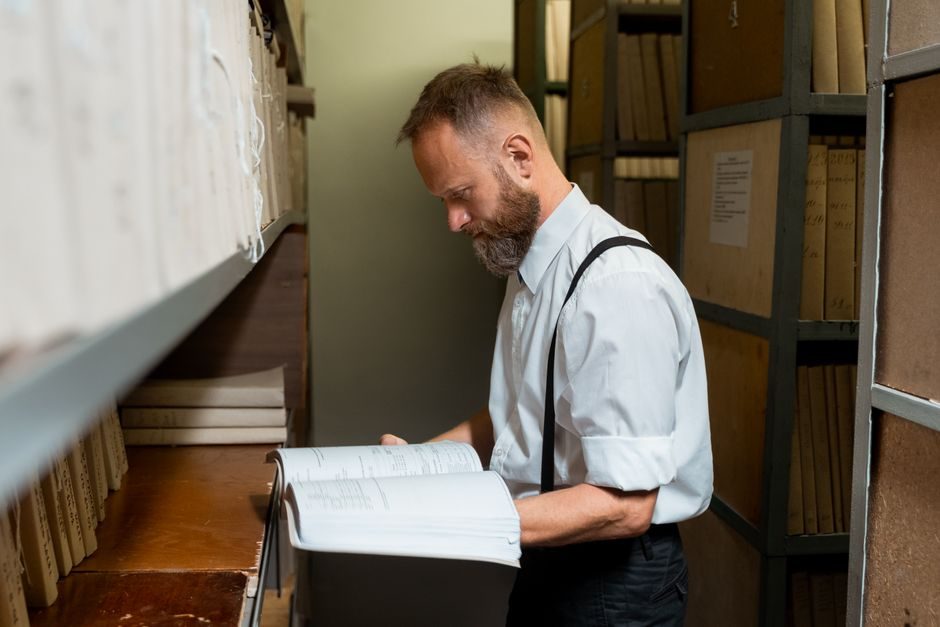
Local and national newspapers archive obituaries online and in print. Public libraries often hold microfilm or digital databases. State and funeral home websites publish notices that reach regional audiences. Guest Posting Forum latest news
- Use multiple sources to confirm details
- Check regional outlets for local obituaries
- Look for notices tied to actual funeral services
How to read obituary notices critically
Spotting reliable details
Cross-check birth dates, death dates, and names across two or more notices. Look for explicit sources like funeral home confirmations or cemetery records. Be cautious of misattributions in syndicated feeds. add an event to the USA events calendar
- Verify names and dates across sources
- Prefer notices with funeral home links
- Be wary of generic or anonymous notices
| Source type | Pros | Cons |
|---|---|---|
| Local newspapers | Timely, regionally relevant | Coverage varies by region and archive access |
| Funeral home sites | Direct confirmations | May omit broader life details |
| Public libraries/archives | Historical breadth | May require in-person visits or subscriptions |
Practical uses for readers

Everyday applications
Obituaries can help confirm ancestry, establish timelines, and locate relatives or associates. They assist journalists and researchers in verifying public life details. Use them to trace a person’s affiliations and community impact. add your business listing in the USA
- Obituaries are starting points, not full biographies.
- Cross-check dates and affiliations.
- Record sources for future reference
- Cross-check with public records
- Use multiple notices for a fuller picture
- Note any corrections or retractions
Reporting with care means verifying details through reliable sources and avoiding misrepresentation.
Ethical considerations when using obituaries
Respectful use of notices
Obituaries convey sensitive personal information and are often written with care. Readers should use them with respect, avoiding sensational or invasive angles. When sharing details, prioritize facts over speculation and consider the deceased's dignity. sell second-hand items in the USA
Reporting with care means verifying details through reliable sources and avoiding misrepresentation. Journalists should weigh the public interest against potential harm to families. This balance helps maintain trust in news coverage.
Ethical use also involves acknowledging limitations of obituaries, such as errors or incomplete information. If discrepancies arise, seek corroboration from multiple records or official notices. A cautious approach reduces the spread of misinformation.
- Verify dates and names against primary records
- Avoid publishing unverified rumors
- Avoid sensational phrasing
- Protect the privacy of surviving relatives
Legal constraints around obituary publishing

Copyright and reproduction rights
Obituary texts often originate from family notices or press releases. Newspapers may have rights to publish, adapt, or quote with restrictions. Always respect copyright when copying or disseminating obituary content.
Fair use or citation rules vary by jurisdiction; in many cases brief quotations for reporting are permissible, but large verbatim reprints may require permission. When in doubt, consult the legal desk or a media lawyer.
Legal constraints can also cover privacy laws and defamation risk. Even factual errors can invite liability if published with negligence. Meticulous verification helps reduce exposure to legal claims.
- Check source licensing
- Limit verbatim quotes
- Obtain permissions for non-news outlets
- Document provenance of obituaries
Digital archives and privacy
Accessing public obituary databases
Digital archives offer broader access to historical notices and regional variations. Users can search by surname, location, or date, helping build a timeline of a person’s life. Start with official local libraries or state archives for trustworthy results.
Digital search often uncovers clustered notices across multiple outlets, which can reveal inconsistencies. Cross-check findings against library catalog records or government notices when possible. This diligence improves historical accuracy.
Privacy considerations grow with online access; even public notices may reveal sensitive details. Blur or omit personal identifiers when sharing broadly, and respect requests from families regarding sensitivity.
- Use official archives for solid results
- Cross-check across sources
- Be mindful of personal data
- Respect privacy wishes
Citing and linking obituary sources
Proper attribution practices
When using obituary content, credit primary sources clearly. Proper attribution helps readers assess reliability and keeps the record straight. Include enough detail for others to locate the original notice.
Linking to source material should be accurate and stable; avoid linking to paywalled or broken pages. If a link expires, provide an alternative path to the same notice.
Cross-reference with other notices to confirm consistency before publishing a shared or summarized version. This reduces the chance of propagating errors and maintains newsroom accountability.
- Always name the original source
- Provide full publication details when possible
- Avoid aggregators that strip context
- Update links if notices move
Frequently asked questions
What should I do if an obituary seems inaccurate?Begin by locating the original notice in a verified source such as a local newspaper archive or a library collection. Compare dates, names, and locations with at least two independent notices. If discrepancies persist, mark the item as unverified and seek official records before publishing or sharing.
Can obituaries be used for genealogical research?Yes, obituaries can provide useful clues for family history, such as relatives and hometowns. Use them alongside birth, marriage, and death certificates, census records, and cemetery inscriptions. Treat any genealogical lead as tentative until confirmed by primary documents.
Are there privacy risks in sharing obituary details online?Sharing personal data can affect living relatives or sensitive information. Blur identifiers where possible and avoid publishing details that offer an unnecessary map to a person’s private life. When unsure, ask for consent from family or permissions from the publication.
Do all obituaries require permission to publish?Most notices originate from families or funeral homes who provide content to newspapers. Some digital archives circulate notices publicly, but some platforms require rights clearances for reuse. When republishing, check the source’s licensing terms and obtain permission if needed.
Conclusion and next steps
Readers should treat obituary notices as part of a broader historical and records-based inquiry rather than final truth. Cross-check with primary sources and maintain sensitivity to those affected.
A practical next step is to build a personal source kit: local archives, library databases, and funeral home notices. This creates a reliable baseline for future inquiries and keeps reporting precise.
Add Hong Kong News TV: Latest Hong Kong News & Updates as a preferred source on Google


