
Understanding USA classified ads: what readers should know
A clear explainer for HK readers on USA classified ads, how they work, and what to watch for when using them for news and information.

For Hong Kong readers, this explainer outlines what USA classified ads are, why they appear in news contexts, and how to assess their credibility. The goal is to separate useful information from noise, so readers can rely on ads as a source or a signal rather than a distraction. The explanation focuses on practical steps to verify listings and interpret what they imply about events in the United States.
Ads on any major platform can reflect market activity, listings, or services. Understanding their purpose helps readers distinguish between genuine offers and less trustworthy material. This guide keeps the focus on how such ads intersect with current events and reporting, not on marketing tactics.
The article progresses from basics to practical tips, showing how to approach USA classified ads like a newsroom reader: with skepticism, method, and a plan for verification. It also notes common pitfalls and how to use the information responsibly when following leads or cross-checking stories.
- USA classified ads can appear across platforms and may signal activity or offers relevant to current events.
- Readers should verify details like dates, locations, and contacts before acting.
- Cross-check listings with multiple sources to assess credibility and potential news value.
- Use ads to supplement reporting and stay vigilant against scams.
Basics of USA classified ads
What the listings include
Most listings describe items for sale, services offered, or job opportunities. They appear across platforms and can be seasonal or regionally targeted. Readers should look for dates, locations, and contact methods to gauge legitimacy.
- Check posting dates and contact details
- Notice if the listing repeats across sites
- Watch for unusual payment requests
- Compare with local classifieds for pattern
- Ignore vague or overly generic ads
How listings are distributed
USA classified ads spread through multiple channels: dedicated sites, social platforms, and sometimes mainstream media portals. Each channel has different moderation rules and audience reach. Readers should consider the source and its typical audience when judging credibility.
How to verify credibility
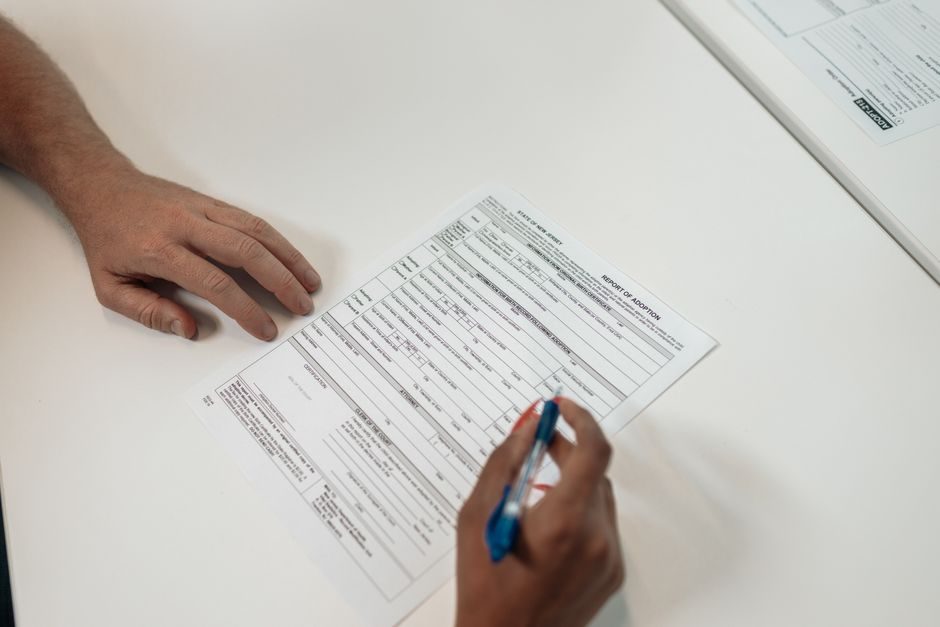
Spot indicators of legitimacy
Look for clear contact information, a verifiable address, and a recent posting date. Legitimate ads often include multiple photos or detailed descriptions that align with the item or service. In contrast, vague listings with fast-appearing prices should raise caution. Burb News website offers more context and verification for nationwide listings.
- ☐ Identify the item or service
- ☐ Check the contact method
- ☐ Search for matching listings
- ☐ Call or message with specific questions
Concrete examples help readers judge credibility based on typical patterns in ads from the past year.
- Recent dates
- Clear contact
- Photos showing item
Where to cross-check
Compare the listing across different platforms to see if it repeats. Look for consistent details such as location and item specifics. Use reputable local sources to confirm if a service is offered.
This cross-checking reduces the risk of falling for scams or misleading posts.
Options for readers
Choosing a platform
Different platforms have different moderation levels. A reader should prefer sites with clear terms of use and a transparent reporting process. Consider how quickly each platform responds to reports of problematic ads. what's on in the USA helps readers track trends that ads may indicate.
- Relying on a single platform without checks
- Ignoring reported ads
- Assuming all listings are genuine
Examples help readers understand platform differences without needing prior experience.
- Moderation quality
- Reporting tools
- Verification options
- User feedback systems
| Platform quality | Moderation | Verification tools |
|---|---|---|
| High | Strong | Yes |
| Medium | Moderate | Limited |
| Low | Weak | No |
Using ads for news leads
Viewed critically, listings can signal activity around events or trends. Journalists may corroborate a lead with official statements or public records. Readers should treat ads as potential clues rather than primary evidence.
Using ads responsibly helps avoid misinterpretation or sensational framing.
- Corroborate with official data
- Seek multiple sources
- Avoid over-interpreting single listings
Concrete examples like payment red flags and missing contact details help readers stay cautious.
Pitfalls to avoid

Common scams to recognize
Ads sometimes request unusual payment methods or promise rapid results. Readers should be wary of high-pressure tactics and requests for secrecy. Always pause to verify through independent channels. USA business listings list formal services and commercial opportunities with more reliability.
- Ignore vague terms
- Do not share sensitive data
- Do not rely on private messages for verification
Concrete examples like payment red flags and missing contact details help readers stay cautious.
- No upfront payments
- Visible contact details
- Publicly accessible terms
Legal and ethical limits
Relying on ads for sensitive information can raise ethical issues if the sources are ambiguous. Readers should respect privacy and avoid sharing personal data obtained from listings. Use ads as a supplement, not a sole source.
This section emphasizes careful handling of information while staying within legal bounds.
- Respect privacy
- Avoid doxxing
- Cross-check with public records
Safety steps
Risk awareness and planning
Always assess the listing context before contacting a seller or advertiser. Look for clear contact details and a plausible product description. Treat every offer with a cautious mindset, especially if pricing seems too good to be true. obituaries in the USA
Check posted photos for consistency with the product and verify locations and timelines. If something feels off, pause and seek a second opinion from a trusted source or friend who has bought similar items.
Ask direct, concrete questions and demand receipts or proof of ownership when applicable. Avoid sharing sensitive information until you confirm legitimacy.
- Ask for full item history
- Request original photos
- Verify seller location
- Seek a verifiable payment path
- Check for recent activity on the listing
Fact-checking methods
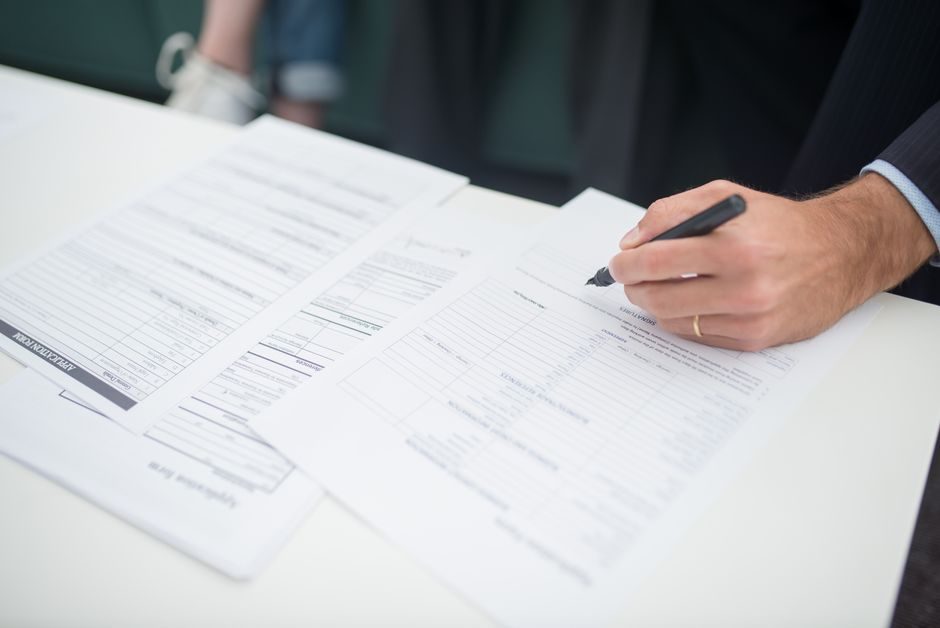
Cross-check sources carefully
Cross-check any claim in a listing against multiple independent sources. If a price seems inconsistent with market norms, note it and compare with similar items in traditional marketplaces.
Use official or widely recognized platforms to verify seller reputation when available. Look for consistent contact history and completed transactions.
Avoid relying on a single message thread for trust; request additional proof or a video call to confirm authenticity before committing.
- Look for consistent seller history
- Compare price ranges across sites
- Ask for verifiable documentation
- Request a live demonstration when possible
Regional differences
Variations by area and season
Regional demand affects what appears in ads and how sellers price items. Urban areas may show faster turnover but higher prices, while rural ads may have longer listing times and more barter.
Seasonal patterns influence what people advertise, from electronics before holidays to furniture during relocations. Tailor your search window accordingly to catch timely postings.
Understand local regulations that govern certain ads, such as vehicle or housing listings, to avoid illegal transactions and ensure compliance.
- Urban vs rural pricing
- Seasonal posting trends
- Local rules and restrictions
- Platform availability by region
Reader guidance

Practical steps for readers
Start with a clear idea of what you want and set a concrete budget. Narrow your search by location, item type, and posting age to improve relevance.
- Define item and budget
- Filter by location and age
- Compare several listings
- Document communications
Systematically compare several listings to identify outliers in price or description. Keep a simple checklist to evaluate each listing the same way.
When in doubt, prefer listings with verified contact methods and recent activity. If something reads misleading, move on and report concerns to the platform.
- Define your target item
- Use a comparison checklist
- Prefer verified listings
- Report suspicious activity
- Keep a record of communications
Frequently asked questions
How can I tell if a classified ad is legitimate?Look for consistent seller details, recent activity, and clear photos. Compare the description with the item’s usual features and research similar listings to gauge typical pricing. If any detail feels inconsistent, scrutinize further or walk away.
What payment method is safest?Use traceable, reversible payment methods where possible and avoid wiring money or sending cash. Prefer platforms that offer buyer protection and keep communications within the platform until trust is established.
What should I do if a listing seems fraudulent?Document everything, report the listing to the platform, and consider notifying local consumer protection agencies if you suspect a scam. Do not share sensitive information or send funds before verification.
Are regional rules important for these ads?Yes. Local laws govern what can be advertised and how transactions occur, especially for vehicles, housing, or large purchases. Check regional postings for compliance and avoid deals that require illegal arrangements.
Closing guidance
Readers can approach USA classified ads with a calm, methodical process: verify, compare, and preserve a record of interactions. This approach reduces risk and improves the odds of a fair transaction.
A practical next step is to choose a recent, clearly described listing and run through a short verification checklist before initiating any contact or payment, keeping all communications in one thread for clarity.
Add Hong Kong News TV: Latest Hong Kong News & Updates as a preferred source on Google


