
Severe Weather in Hong Kong: Warnings, Risks and Readiness
A practical guide to Hong Kong typhoons, heavy rain and flooding, with official warning sources, transport checks and household steps to prepare.

Common weather-related events in Hong Kong include tropical cyclones, intense rainstorms, thunderstorms and flooding. They can bring strong winds, dangerous seas, waterlogged roads, transport delays and temporary service changes. Residents can reduce disruption by checking Hong Kong Observatory warnings, confirming transport and facility announcements, and preparing essential supplies before conditions worsen.
Warnings describe different hazards and may change as a storm develops, so check official updates rather than relying on an old screenshot or a single social media post. Pay attention to the warning level, issue time and any district-specific advice, especially if you live or work near low-lying areas or the coast.
This guide explains the main risks, where to find reliable local updates and what households can do ahead of severe weather. It also covers how businesses can communicate changes to customers clearly, so people can check whether services, opening hours or travel plans have been affected.
- Hong Kong’s main severe-weather risks include typhoon winds, intense rain, flooding and landslides.
- Use the Hong Kong Observatory for current warnings and check transport operators for service changes.
- Prepare household supplies, secure loose items and agree on a contact plan before conditions worsen.
- Avoid floodwater and follow official instructions, even when a familiar route appears passable.
What severe weather means in Hong Kong
Warnings describe specific hazards
Severe weather in Hong Kong means conditions that can threaten safety or interrupt daily services, not simply an uncomfortable change in the forecast. The Hong Kong Observatory issues warnings for hazards such as tropical cyclones, heavy rain, thunderstorms and flooding. Each warning signals a different risk, so read its details rather than treating every alert as interchangeable.
- ☐ Read the warning name and the hazard it covers.
- ☐ Check the issue time before acting on a saved alert.
- ☐ Look for advice relevant to your location and journey.
- ☐ Follow official instructions if conditions deteriorate.
A tropical cyclone warning focuses attention on the storm’s wind threat and possible effects on public activity, while rainstorm warnings address intense rainfall and the resulting risk of flooding or landslides. Thunderstorms can bring lightning and sudden gusts even when a cyclone is not approaching. Check the warning’s scope and accompanying advice to understand what action applies.
Warnings are updated when conditions change, and a previous announcement may no longer describe the current situation. Check the issue time and latest Observatory information before leaving home or making a decision about work, school or travel. If an alert tells people to stay away from dangerous areas, follow that advice rather than relying on visual checks.
Local conditions can vary
The same weather system can affect Hong Kong districts in different ways, depending on exposure, terrain and drainage. Coastal areas may face rough seas and strong winds, while low-lying streets can collect water during intense rain. Hillside locations may also face landslide risks after prolonged or heavy rainfall, so local surroundings matter.
A forecast for Hong Kong as a whole cannot tell you whether a particular road, estate entrance or footpath is passable. Check district-level reports and transport announcements when a route crosses a low-lying area or runs beside a slope. Avoid walking or driving through floodwater, which may conceal hazards and can move faster than it appears.
People who commute, care for others or run time-sensitive errands should decide in advance what conditions would change their plans. Identify an alternative route, a sheltered place to wait and a way to contact household members. These simple decisions are more useful than assuming that familiar streets and services will operate normally during a warning.
Common weather events and their risks
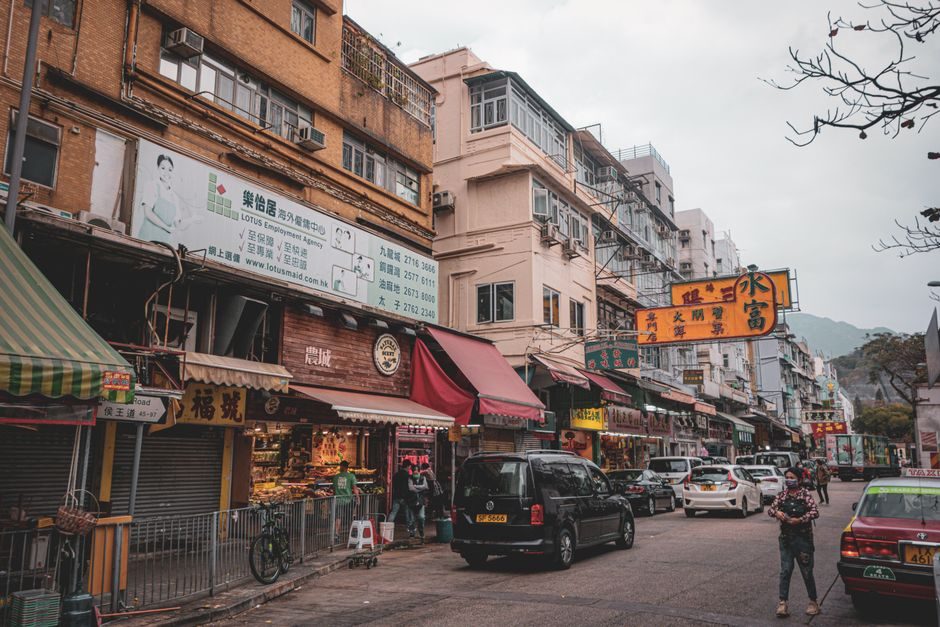
Typhoons bring wind and disruption
Tropical cyclones can bring strong winds, heavy rain and rough seas, with impacts that extend beyond exposed shorelines. Loose objects may become dangerous, trees or temporary structures can be damaged, and public transport or outdoor activities may be affected. The Observatory’s tropical cyclone warnings help residents judge when to secure belongings and reconsider travel.
Residents near the coast should take sea conditions seriously and stay away from waterfront promenades or exposed rocks when waves are high. In built-up districts, wind can funnel between buildings and make walking beneath trees, scaffolding or signs hazardous. Secure outdoor items early, before winds strengthen, and follow official advice about sheltering or avoiding unnecessary journeys.
A cyclone’s effects do not end simply because the strongest winds have passed. Rain may continue, and damaged trees, fallen objects or disrupted services can remain a concern afterward. Check current official updates before returning to outdoor plans, and do not enter closed areas or approach damaged structures to inspect them.
- Bring in or secure loose balcony items.
- Keep away from exposed shorelines during dangerous sea conditions.
- Check transport notices before travelling.
- Avoid damaged structures and fallen trees.
Rainstorms and flooding hazards
Intense rain can overwhelm drains and cause water to collect quickly on roads, underpasses and other low-lying routes. Flooding may occur even when a storm is not a typhoon, and rainfall can vary sharply between districts. The Observatory’s rainstorm warnings provide a clear signal to check conditions and avoid unnecessary exposure.
Do not walk or drive through floodwater, including water covering a familiar road or pavement. Its depth and current may be hard to judge, and it can hide open drains, debris or other obstacles. If a route is flooded, turn back and use a safer alternative rather than trying to cross because the destination seems close.
Heavy rain can also increase landslide danger near steep slopes, especially after sustained rainfall. Avoid closed trails and areas where authorities have posted warnings, and do not linger beneath unstable slopes. If water enters a home or workplace, keep away from electrical equipment and follow advice from relevant emergency or building-management channels.
Where to check warnings and service updates
Start with official alerts
Use the Hong Kong Observatory as the primary source for current weather warnings, forecasts and related safety advice. Check its official website or app, and confirm that an alert is current by looking at its issue time and update details. For transport, check the relevant operator’s official announcements before beginning a journey.
Local businesses that need to keep location and service details consistent online may find Local Seo Services relevant when planning customer updates. Treat this as a separate communications consideration, not a substitute for official weather alerts or direct operational notices. During a storm, customers still need a clear, current statement about whether a particular service is running.
For a journey involving several modes, check each relevant operator rather than assuming one service announcement covers the whole route. Rail, bus, ferry and road conditions can differ, and arrangements may change as weather develops. Recheck shortly before departure, especially if you must reach a hospital, school, workplace or another time-sensitive destination.
- Check the Observatory’s latest warning and issue time.
- Confirm announcements with the transport operator you plan to use.
- Recheck conditions close to departure.
- Use official notices for service changes.
| Source | Best for | What to verify |
|---|---|---|
| Hong Kong Observatory | Weather warnings and forecasts | Warning level, issue time and advice |
| Transport operator | Journey and service changes | Suspensions, adjustments and current status |
| Facility or service provider | Opening and appointment updates | Location, affected service and latest notice |
| Official emergency announcements | Safety instructions | Restrictions, closures and required action |
Verify local service changes
Check transport and facility announcements directly when weather may affect a specific journey or appointment. An operator’s notice can explain service suspensions, adjustments or safety arrangements, while a venue or service provider can confirm whether it is open. Do not assume that a general weather warning automatically confirms a particular closure.
Businesses should make changes easy for customers to find and understand, using the channels they already maintain. State the affected service, location, status and when the update was checked, then revise the notice if circumstances change. Clear wording helps people avoid unnecessary trips and makes it easier to distinguish a current update from an old one.
When information differs between channels, give priority to the latest notice from the responsible official agency or service operator. Check the publication time and any follow-up announcement before sharing a claim. If a detail remains unclear, contact the service provider through its established channel instead of repeating unverified messages.
Prepare essential household supplies before severe weather arrives, while shops and services are operating normally.
How households can prepare before a storm

Prepare supplies and the home
Prepare essential household supplies before severe weather arrives, while shops and services are operating normally. Keep drinking water, shelf-stable food, necessary medicines, a torch and charged power banks where household members can find them. Check that you have what your household needs, including supplies for infants, older people or anyone with specific medical requirements.
Secure windows and bring in loose items from balconies or other exposed spaces before strong winds begin. Clear drains only where it is safe and within your responsibility; never climb onto a roof or reach into fast-moving water. Move valuables and essential documents away from areas that could flood, and know how to switch off utilities if needed.
Make a household plan that covers how to contact one another if mobile service or travel is disrupted. Agree on a safe place to meet, identify a nearby alternative route and consider who may need help reaching shelter. Keep important contacts accessible without relying only on a phone that may lose power.
- Gather water, food, medicines and a torch.
- Charge phones and power banks.
- Secure balcony items and protect important documents.
- Agree on a household contact and meeting plan.
Plan around travel disruptions
Decide early whether a journey can be postponed when severe weather warnings are in force. Check the Observatory’s latest advice alongside transport announcements, then allow time for cancellations, diversions or slower travel. If a trip is essential, tell someone your plan and avoid routes that depend on crossing flood-prone roads or exposed coastal paths.
Households with children, older relatives or members who need regular care should plan for interrupted routines before a warning is issued. Confirm who can collect children, obtain essential items or check on a relative if the usual journey is not possible. Keep agreed arrangements simple, so everyone knows whom to contact and where to wait.
After the weather eases, check that routes and services have actually resumed before setting out. Fallen branches, waterlogged streets and delayed transport can remain after a warning changes or ends. Follow barriers and instructions from authorities, and do not enter closed trails, underpasses or other restricted areas to save time.
How local businesses can keep information clear
Make Service Changes Specific
When severe weather changes opening hours or delivery arrangements, state exactly what customers should expect. A notice should identify the affected service, the time the change begins, and whether customers should wait for another update. For example, say that a branch is closed during a warning period rather than posting only that operations are affected.
Use the same clear wording across your website, social accounts, storefront notices and customer messages. Customers may see only one channel, so each notice should make sense on its own and carry the time it was issued. If a service resumes, publish a separate update instead of assuming readers will find an earlier post.
Businesses reviewing how customers find service information online may use Seo Services as a reference for digital visibility and communications. Keep weather notices separate from routine promotions so readers can spot urgent information quickly. A short, direct message is more useful than a long explanation when customers are deciding whether to travel or rearrange a visit.
Assign Someone To Update Notices
Decide who is responsible for publishing updates before a storm disrupts normal work. A named role, such as the duty manager, prevents staff from assuming somebody else has changed the opening notice. Give a backup colleague access to the same channels in case the primary contact cannot work.
Prepare a short template that staff can fill in with the affected location, service change, start time and next update point. Avoid promises about reopening unless the business has checked conditions and staffing. If information is not confirmed, say what is known and when customers can expect another announcement.
Review the notice after the immediate disruption has passed, because old warnings can mislead people planning a visit later. Replace temporary banners and pinned posts with current operating details, and correct any message that has become inaccurate. A simple checklist for opening and closing updates helps different staff members communicate consistently across shifts.
Options for sharing disruption notices
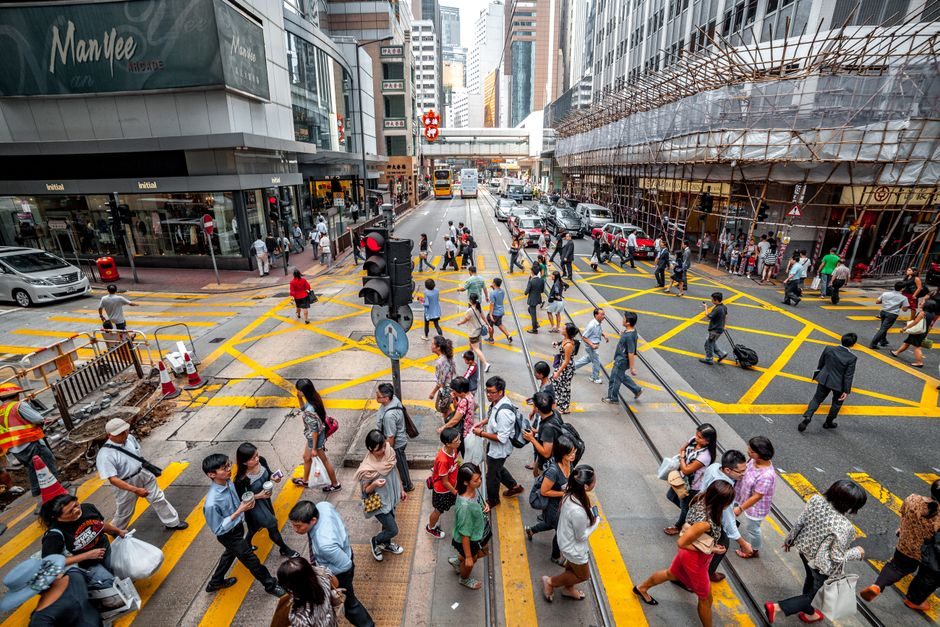
Choose Channels Customers Use
Use channels your customers already consult, and make the most important update easy to find. A website notice can provide detail, while social accounts or messaging channels can alert people who follow the business there. A sign at the entrance remains useful for customers who arrive without checking online first.
- Posting only on one social channel; also update the business website and physical entrance where practical.
- Saying “closed” without naming the branch or service; specify exactly what is affected.
- Leaving an old notice pinned; replace or mark it when conditions and operations change.
Keep the core facts consistent when posting in several places: which service is affected, where the change applies and when it starts. If a business has multiple outlets, name the affected branch rather than using a broad notice that leaves customers unsure. A link to a fuller update can help, but the essential information should appear in the alert itself.
Leicester Seo Services offers a point of comparison for how a place-based business can present location information, although its market differs from Hong Kong. Local customers here also benefit when notices distinguish the affected outlet from other branches. Choose channels the business can maintain during a disruption, rather than opening new accounts that may go unchecked.
Match the Message To The Situation
For a brief change, a concise notice may be enough; for a longer closure, provide fuller details and a way to check for updates. Keep the message readable on a phone, where customers may be checking quickly while deciding whether to leave home. Put the operational change before background explanation.
A business can use its usual online channels for routine customer information, but should not present its own post as an official weather warning. Direct readers to the Hong Kong Observatory for weather information and to relevant transport operators for service status. This distinction helps customers understand what the business controls and what it cannot confirm.
If staff can safely do so, update the notice when service resumes or when a change is extended. State the time of the latest update so readers can judge whether the information is current. When the business cannot yet confirm a reopening, explain that the status is being reviewed rather than leaving customers to infer an answer from silence.
Pitfalls when relying on unofficial updates
Separate Reports From Verified Information
A forwarded message or social post may describe a real incident but still give the wrong location, timing or current status. Before changing travel plans, compare it with an official warning or the relevant transport operator’s service announcement. A screenshot without a visible source and timestamp is especially difficult to verify.
- Check the source and timestamp before acting on a forwarded warning.
- Confirm local transport changes with the operator, not a screenshot alone.
- Correct or remove an outdated claim instead of leaving it to circulate.
Do not treat a dramatic photograph as proof that a whole district is flooded or inaccessible. Conditions can differ between nearby roads, underpasses and hillside areas, and a picture may be old or taken elsewhere. Look for a precise location and current confirmation before sharing the claim with neighbours or customers.
If you share an unverified report, label it clearly as unconfirmed and avoid adding details that the original source did not provide. Better still, wait for confirmation when the message could affect safety or travel decisions. Correcting a mistaken post matters too: remove it or add a visible correction so later readers do not continue passing it on.
Watch For Stale Service Details
A service announcement can become outdated as rain bands move, water levels change or operators reassess conditions. Check when a post was issued and whether a later update has replaced it. This matters particularly when deciding whether to travel by rail, bus or ferry during severe weather.
Do not assume that a familiar route is operating normally because a previous update said it was open. Consult the operator’s latest notice for the line, route or facility you plan to use, and allow for changes during your journey. If you cannot confirm service, consider delaying non-essential travel rather than relying on an old repost.
Businesses should also remove temporary notices once they no longer apply, while keeping any necessary explanation accessible. A customer who finds an old closure message may decide not to visit even after operations resume. Make the current status prominent and give it a fresh timestamp, especially when the business has changed its plans more than once.
Practical habits for staying informed
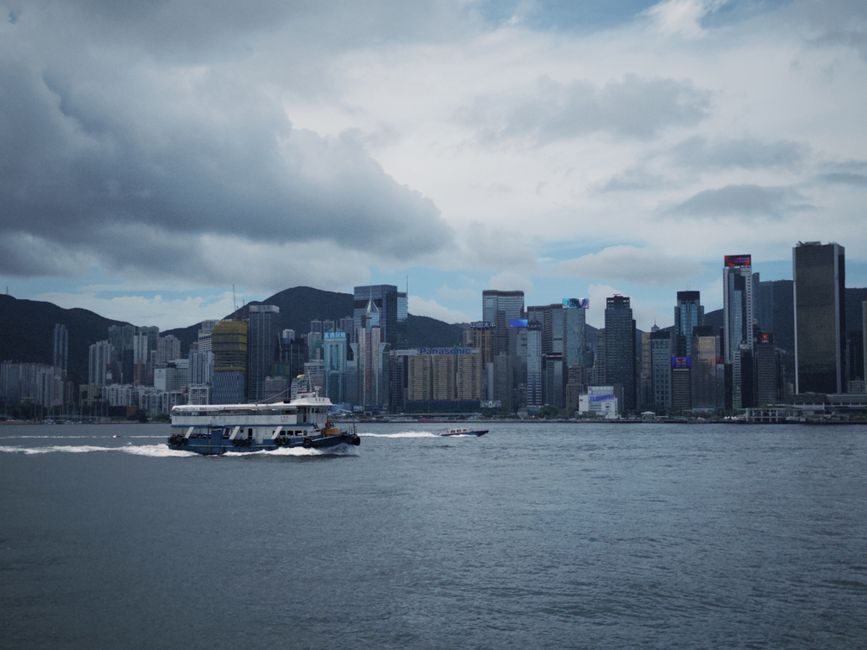
Build A Simple Check Routine
Check the Hong Kong Observatory’s current warnings when severe weather is expected, then review updates again before travelling or opening a business. A warning may change while conditions develop, so an earlier check should not be treated as a lasting all-clear. Follow the specific instructions attached to the warning in force.
Pair weather information with service announcements from the transport operator or facility you depend on. The Observatory reports weather conditions, while an operator can confirm whether a particular route or service is affected. Keeping those sources distinct avoids confusing a weather signal with a guarantee that transport will run normally.
Choose a practical moment to check again, such as before leaving home and before starting a return journey. If your plans depend on an event or appointment, confirm its organiser’s latest notice as well. This routine is more reliable than repeatedly refreshing unrelated social feeds, where posts may be incomplete or out of date.
Plan Around Local Disruptions
Allow extra time when heavy rain or a typhoon may affect your route, and identify an alternative before setting out. A journey that depends on a low-lying road, exposed waterfront or hillside path may be vulnerable to local conditions. Follow barriers and official directions rather than trying to cross flooded roads or underpasses.
Keep essential items and contact details accessible so a change in transport or opening arrangements does not leave you scrambling. For a household, that may mean charged devices and a way to receive official updates; for a business, it may mean staff know who can approve a closure notice. Adjust the plan when warnings or service announcements change.
After the weather improves, continue checking for local impacts before assuming normal routines have resumed. Flooding, fallen objects or transport disruption can remain after the strongest rain has passed. Confirm that a route or service is operating before relying on it, and share clear, current information with anyone whose plans depend on yours.
Frequently asked questions
What should I check before travelling during a rainstorm?Check the Hong Kong Observatory’s current warnings, then check the latest announcement from the transport operator serving your route. Look for the time and location covered by each update, since conditions can change and a general weather warning does not confirm that a specific service is running. If the journey is not essential and you cannot verify conditions, delay it.
Does a typhoon warning automatically mean every business is closed?No. A warning signals weather conditions and precautions, but individual businesses may make different operating decisions. Check the business’s own current notice before travelling, and look for the affected branch, service and update time. Also follow any applicable official guidance and workplace arrangements; do not assume an old social post still reflects today’s operating status.
How can I tell whether a flood photo is current?Look for the original source, when and where the image was posted, and whether a relevant official or service-provider update confirms the reported conditions. A reposted image may be old or from another location, even if it resembles a familiar Hong Kong street. Avoid forwarding it as fact if you cannot verify its context, particularly when it could influence safety decisions.
What should a business include in a weather disruption notice?State which location or service is affected, what customers should expect, when the change begins and when another update may be available. Include the time the notice was posted and use the same core facts across channels. If reopening is uncertain, say that clearly rather than promising a time. Direct readers to official weather or operator updates when those determine their travel.
Make Your Next Weather Check Count
Hong Kong weather disruptions can affect a neighbourhood, a transport route or a business differently, so useful decisions depend on current, local information. Check the Observatory for warnings, then confirm transport and business status with the organisations responsible for those services. For businesses, specific notices with a clear timestamp reduce confusion and help customers decide whether to travel or wait.
Choose your next step now: identify the official weather source and the transport or service channels relevant to your regular journeys. If you run a business, decide who will update customers and prepare a short notice template before conditions worsen. During an event, check again before acting, follow official directions and replace any message that no longer reflects the situation.
Add Hong Kong News TV: Latest Hong Kong News & Updates as a preferred source on Google


