
How to use Helsingin Uutiset Helsinki for Hong Kong readers: a practical checklist
A clear, practical checklist for readers of Hong Kong news sites to understand Helsingin Uutiset Helsinki context, relevance, and how to use it effectively.

What you gain from Helsingin Uutiset Helsinki is clarity about Finnish city news, not hype. This guide shows how to read the site, verify local details, and transfer useful reporting to other markets. You’ll learn where to look for updates, how to judge sources, and what to expect from coverage. The goal is a steady, factual picture you can use in reporting or personal awareness.
The checklist starts with basics: what Helsingin Uutiset Helsinki covers, how its reporting is structured, and what kinds of stories come up most often. It then moves to practical steps for following breaking news and confirming details. Finally, you’ll see options for deeper engagement and warnings to avoid common pitfalls.
This approach keeps each step concrete: identify the most relevant sections, compare similar stories, and spot journalism patterns. You’ll gain a straightforward method to assess a foreign news site without extra noise. By the end, you’ll know how to reference Helsingin Uutiset Helsinki accurately in your own reporting or reading routine.
- Helsingin Uutiset Helsinki is a Finnish city news site with clear sections and rapid updates. Start by noting the main event, byline, and date. Use the archive and related stories to build context, and verify through multiple sources before drawing conclusions.
- Expect breaking news to evolve; track updates and corrections as they appear. Compare stories from Helsingin Uutiset Helsinki with other outlets to gauge framing and reliability.
- Always separate facts from commentary and beware overreliance on one source. Build a small file of relevant articles to reference later in reporting or reading.
- Use practical steps: note sources, timestamp updates, and cross-check with at least one alternative outlet.
Basics to know before you read
What the site covers
Begin with the homepage to spot the main sections: local, national, and international relevance. Look for date stamps, bylines, and the lead sentence to gauge timeliness. This helps you separate urgent updates from background pieces. Helsingin Uutiset Helsinki helps you see how a Finnish city reports events.
- Open the homepage and note the prominent sections.
- Open a breaking-news item and check time and author.
- Scan related stories to see the city’s coverage pattern.
- Mark any terminology you don’t recognize for follow-up.
Always check the top of an article for the publication date and author; this anchors the reliability of the information.
- Identify the main event in the lead
- Note the cited sources or officials
- Check if multiple reporters cover related angles
- Look for any corrections or updates
How the site handles breaking news

Reading a breaking story
In a breaking item, the first paragraph should summarize the event and its immediate impact. Look for corroboration in the next two paragraphs and byline. Expect rapid updates as facts evolve. tapahtumat Helsingissä tällä viikolla is a Finnish phrase you may encounter when following local calendars.
The timeline often appears through timestamps and follow-up posts. Track the progression from initial report to later clarifications or corrections.
Avoid assuming outcomes; wait for official statements or multiple independent sources before drawing conclusions.
- Note the initial claims
- Track subsequent updates
- Identify official sources cited
- Watch for corrections
Options for deeper reading
Where to dig beyond the headline
Use the archive and special sections to find background on long-term issues. Compare reports from different days to see how a story develops. This helps you understand context and persistence of topics. yritysesittely Helsingissä is a common topic in business coverage and city profiles.
Look for editorials and opinion pieces separately from news reports to gauge public sentiment. Cross-check with other Finnish outlets for a fuller picture.
Consider translations or summaries if you are not fluent in Finnish; understand how language choices influence framing.
- Check the archive for related topics
- Compare multiple days of coverage
- Separate opinion from news reporting
- Use translations carefully to avoid misinterpretation
| Method | Pros | Cons |
|---|---|---|
| Traditional reporting | Clear, structured coverage | May lack local nuance in translation |
| Independent verification | Increases credibility | Requires more time and resources |
| Archived context | Long-term understanding | Older material may be less accessible |
Identify when a story relies heavily on press releases or official statements without independent verification.
Pitfalls and how to avoid them
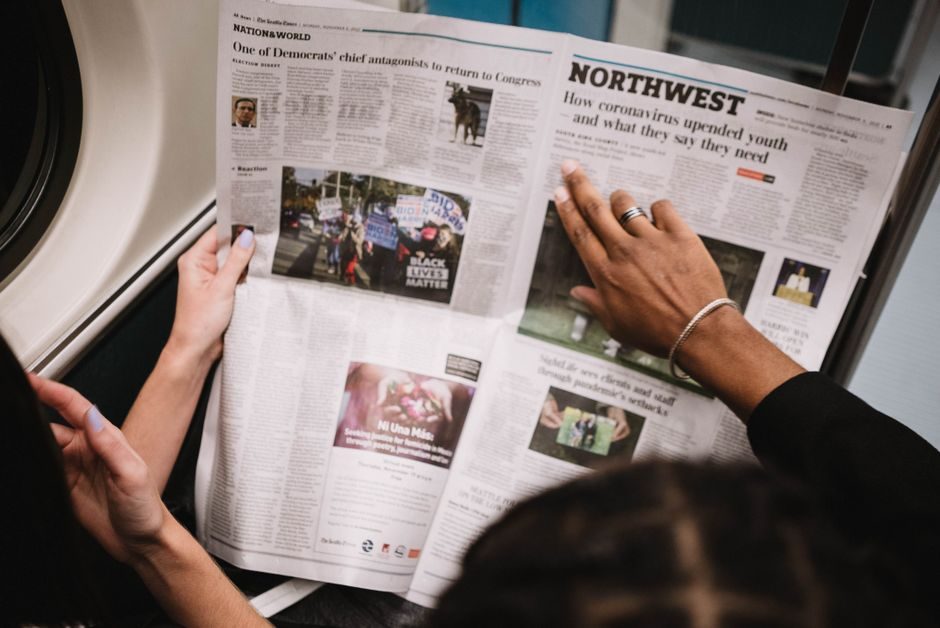
Common traps in foreign reporting
Foreign coverage can reflect local editorial choices or cultural framing. Look for repeated phrases, narrowly focused sources, or missing voices from affected communities. This helps prevent overreliance on a single viewpoint. osta ja myy Helsingissä covers local market activity and listings you might compare with other regions.
Identify when a story relies heavily on press releases or official statements without independent verification. Seek corroboration from independent outlets or on-scene reporting.
Be mindful of jargon or country-specific terms that may mislead readers unfamiliar with the locale.
- Watch for overreliance on one source
- Seek independent confirmation
- Watch for unexplained terms
- Check for corrections or updates
Ethical use of foreign news
Access context and consent
When using Helsinki-based reporting for Hong Kong readers, consider the source’s remit and language. Translate cautiously, noting cultural nuances without altering the core facts. Provide proper context so readers understand how the news fits their own interests and civic life. kuolinilmoituksen julkaiseminen Helsingissä is a phrase to watch for when readers discuss Finnish public notices.
- ☐ Respect the source’s limitations and avoid misrepresentation
- ☐ Flag uncertainty and seek corroboration when facts are unclear
- ☐ Provide reader-friendly context without over-simplification
Seek official statements or corroboration when possible to avoid amplifying rumors or unverified claims. Clarify any differences in legal or social norms that could affect interpretation. This helps maintain journalistic integrity across borders.
- Verify the original report before translation
- Avoid sensational headlines
- Explain local terms in plain language
- Cite primary sources when available
- Respect privacy and safety concerns
Cultural sensitivity in coverage
Foreign readers benefit from clear explanations of events within the local setting. Describe how Helsinki operates in terms of governance, laws, and public response to major events. This helps readers gauge the relevance to their own city or country.
Avoid assuming shared experiences; note any differences that could affect interpretation, such as media access or public demonstrations. This reduces miscommunication and builds trust across audiences.
Always aim for precise, factual language that can be verified by readers who may not have local familiarity.
- Explain local terms
- Describe governance context
- Avoid disproportionate emphasis on sensational aspects
- Provide direct quotes when they add value
- Offer links to primary sources
Reader engagement strategies
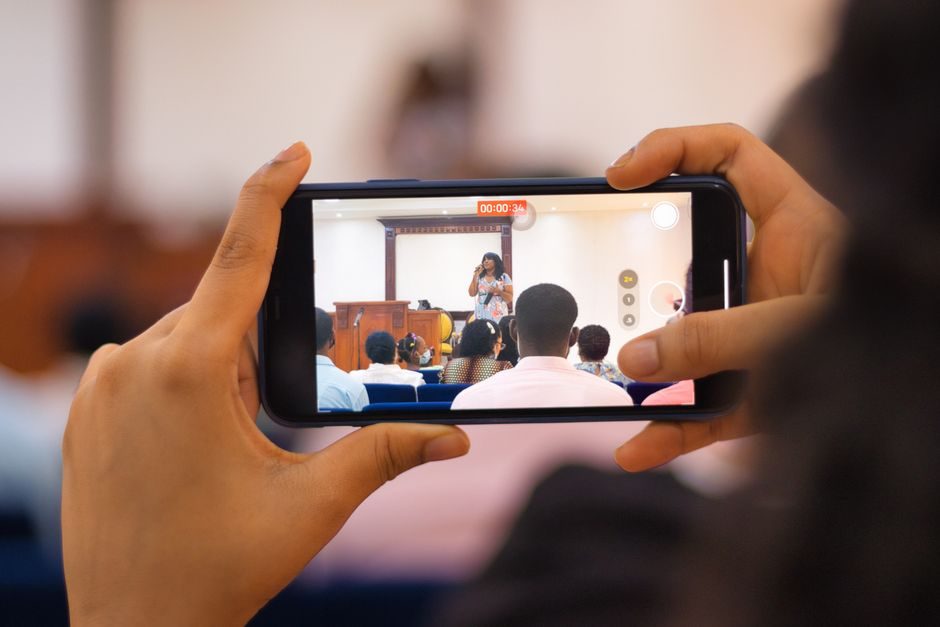
Crafting clear summaries
Summaries should capture the essence of a story without omitting critical details. Start with the what, then explain why it matters to Hong Kong readers. Use neutral language and avoid loaded adjectives that bias interpretation.
Include a quick note on data or claims that require caution, and point readers toward primary sources if they want deeper understanding. Clear, non-sensational summaries build trust across audiences.
End with a practical takeaway for readers who want to follow the topic further, such as where to check updates or how to assess new information.
- Lead with the key fact
- Highlight relevance to Hong Kong readers
- Cite primary sources when possible
- Provide a next-step for further reading
- Keep tone neutral and precise
Encouraging dialogue
Invite readers to compare viewpoints by presenting balanced angles from Helsinki authorities, independent observers, and affected communities. This helps readers form a well-rounded view rather than a single narrative.
Moderate comments to prevent misinformation from spreading. Offer clarifications in follow-up articles if new information emerges.
Provide helpful questions that readers can ask themselves as they interpret events.
- Present diverse perspectives
- Moderate discussions
- Provide guiding questions for readers
- Offer follow-up reporting when needed
- Avoid confrontational language
Technical tools for analysis
Using translation aids effectively
Translation helps broaden reach, but it can introduce bias if terminology is misinterpreted. Use trusted glossaries and provide footnotes for terms that have local nuance. This keeps readers informed without distorting meaning.
Cross-check translations against the original text and, when possible, include the original quote in full alongside the translation for transparency.
Label uncertainty where translators had to interpret ambiguous phrases.
- Use a glossary
- Show both translation and original when feasible
- Note ambiguous terms
- Provide source links for verification
- Avoid over-clarifying or diluting quotes
Data-backed interpretation
When numbers appear, describe what they imply rather than focusing on the figure alone. Compare against historical patterns or regional benchmarks to give readers a sense of scale without claiming a universal trend.
Explain data limitations and what further information would strengthen the analysis. This keeps readers grounded in what is known and what remains uncertain.
Provide a clear takeaway about how the data affects readers’ lives or civic considerations.
- Describe implications not just numbers
- Acknowledge data gaps
- Connect data to reader relevance
- Offer guidance on where to find original datasets
- Avoid speculative conclusions
How to verify images and videos

Assessing authenticity of visuals
Visuals often carry strong persuasive power. Check metadata, compare with other outlets, and look for inconsistencies in lighting or timing. When in doubt, present the image with caveats about verification status.
- Follow a step-by-step verification process
- Disclose any uncertainties if verification is incomplete
Explain the context shown in the image in plain terms and avoid assuming intent. If the image is from a different event, state that clearly and provide alternative visuals if available.
Document the verification workflow so readers understand the steps taken to confirm authenticity.
- Check metadata
- Cross-check with multiple sources
- Note any edits or composites
- Provide a transparent verification timeline
- Avoid presenting unverified visuals as verified
Video provenance and chain of custody
Videos require careful provenance checks. Identify the original uploader, platform, and date. Where possible, corroborate with official channels or independent verification services.
Describe edits or modifications and how they impact interpretation. This helps readers assess authenticity as they consume the content.
Offer practical tips for readers to verify videos themselves, such as checking for reverse image searches and cross-referencing with other footage.
- Track source origin
- Note edits and context
- Provide verification tips for readers
- Offer credible corroboration paths
- Avoid relying on a single clip for conclusions
Frequently asked questions
Why should Hong Kong readers follow Helsingin Uutiset Helsinki?The site provides insight into how a northern European city handles governance challenges and public affairs. The reporting style and verification practices can inform how readers assess local news, even when topics differ in context. It also offers a different perspective on municipal issues and civic life.
How can I verify translations and translations quality?Compare translated passages with the original language version when available. Look for notes on terms that don’t translate directly and seek corroboration from bilingual editors or official statements. A transparent translation process helps readers trust the reporting.
What if I see a photo or video with potential misinformation?Check for original source and timestamp, look for corroborating footage, and note any inconsistencies in lighting or context. If uncertainty remains, avoid sharing until verification is possible and seek an official statement.
How often should I revisit a breaking story from Helsinki?Revisit updates in the first hours after a breaking event and again after authorities issue statements or investigations progress. This helps distinguish initial reactions from confirmed facts and reduces confusion for readers.
Next steps for readers
Start by bookmarking Helsingin Uutiset Helsinki’s breaking-news section to monitor updates in real time, then review related analyses from Hong Kong-focused outlets for cross-checks. This helps maintain a balanced view of evolving events. Remember to verify any images or data before sharing widely.
Use the verification steps outlined here when you encounter international coverage. Apply translation checks, corroborating sources, and context explanations to maintain accuracy and fairness across borders. Building this habit will improve how you read international news over time.
Add Hong Kong News TV: Latest Hong Kong News & Updates as a preferred source on Google


