
How to Find Obituaries in Germany Online for US Readers
A practical, newsroom‑style guide to locating German obituaries online, with steps, tools, and common pitfalls for clarity and accuracy.

If you’re looking for obituaries in Germany online, this guide shows clear steps to locate records across regional and national sources. It explains where notices typically appear, how to verify details, and how to use these records responsibly for research or family history. The goal is to help readers find reliable notices quickly without wading through unreliable sources.
Start with established public archives and major newspaper sites, then branch to regional portals for local notices. Remember to check the dates and spelling variations, as German names and place names can shift in records. The guide emphasizes precision in search terms and cautious interpretation of results.
This overview sets up a practical path: identify legitimate sources, structure searches effectively, and differentiate between official death notices and memorials. You’ll learn what each type offers, what tends to be free or paywalled, and how to confirm the identities involved before drawing conclusions.
- This guide shows how to find German obituaries online using national and regional archives. It stresses using reliable sources and verifying details. It explains practical search steps, common pitfalls, and ethical use. Readers will finish with a clear workflow and useful safeguards.
- Each section provides concrete actions, from initial searches to cross‑checking with multiple sources. The approach prioritizes accuracy and responsible use of publicly available notices.
- The article emphasizes organizing results, documenting sources, and respecting privacy while pursuing clear, verifiable information.
Basics of German obituary records
Common sources for notices
Most notices appear first in local newspapers or regional archives. National outlets also post death notices for notable individuals. Regional state archives provide access to scanned pages and databases. online obituaries in Blackpool
These sources differ in scope: some focus on city-level notices, others cover broader districts. Look for official portals linked from trusted institutions. Cross-check dates and spellings to avoid misidentifications.
These steps prevent mistaken identities when names repeat across towns, or when diacritics alter spelling. Start with a simple search using the person’s full name and city of residence to narrow results.
- Search by full name and city
- Check multiple sources for the same date
- Note spelling variations and diacritics
- Record exact notification dates
- Save citations for verification
How to search German records online

Structured search steps
Begin with a named person search in major national newspapers’ archives. Then push to regional portals for locality-based notices. If German isn’t your first language, use the site’s built‑in translation tools cautiously to avoid misreading details. Blackpool Wire website
Refine results by date range and location, and try variations of the surname with possible diacritics. Keep a list of sources you check to avoid duplicating effort.
Document all searches and store links to genuine notices, especially when names are common or when the death date is unclear. This helps later verification.
- Use date filters
- Try name variants with umlauts
- Cross-check against multiple sources
- Keep a bookmarking log
- Avoid relying on a single paywalled page
Online directories and newspaper databases
Where to look for notices
Directories aggregate notices from several outlets, offering a centralized search experience. Newspapers’ own archives are often the most reliable for full notices and death dates. what's on in Blackpool
- Use both national and regional databases to broaden coverage.
- Verify notices with multiple sources when possible.
- Preserve source links for future reference.
Regional portals may have longer tails of notices than national sites. Some databases include obituaries from church records or cemetery listings, which can help confirm details.
Always verify the obituary against a second source, such as a archive entry or parish record, before relying on it for family history.
- Compare at least two sources
- Note the date and location of the notice
- Check if the obituary includes survivors or funeral details
- Beware paywalled content without access
- Record the source and date of access
| Source Type | Pros | Cons |
|---|---|---|
| National archives | Broad coverage | Paywalls and restricted access |
| Regional portals | Local notices | Varied quality across regions |
| Direct newspaper archives | Original notices | Search interfaces differ |
When results seem vague, widen the search to include nearby towns and nearby dates to catch related notices.
Common pitfalls and how to avoid them

Disambiguating similar names
Common German names can appear in multiple towns. Start with the person’s birth year, if known, and cross-check the city of death or residence. list your company in Blackpool
Be cautious of similar spellings caused by umlauts or regional spellings. Use wildcard searches where the site supports it.
When results seem vague, widen the search to include nearby towns and nearby dates to catch related notices.
- Cross-check with another source
- Use alternative spellings and umlauts
- Limit assumptions about middle names
- Document uncertainty for future follow-up
Tips for corroboration
Cross-check with multiple sources
Begin by confirming the obituary details across several independent outlets. Look for matching names, dates, and locations in at least two different archives or newspapers. This helps guard against transcription errors or outdated memorial pages. used items for sale in Blackpool
- Identify at least two independent sources for the same obituary
- Record exact spelling of the name and date from each source
- Flag any inconsistencies and seek a primary record if possible
Cross-reference with official civil registry or church records when available, noting that access may vary by region. If discrepancies appear, treat the older, primary source as more trustworthy and seek additional corroboration.
Be mindful of timing; obituaries can appear in paid or regional editions later than their initial publication. If possible, compare the original notice with later repeats in other regional papers to confirm accuracy.
- Use at least two independent sources
- Match name, date, and location
- Prefer primary notices when available
- Note publication timing differences
Special collections
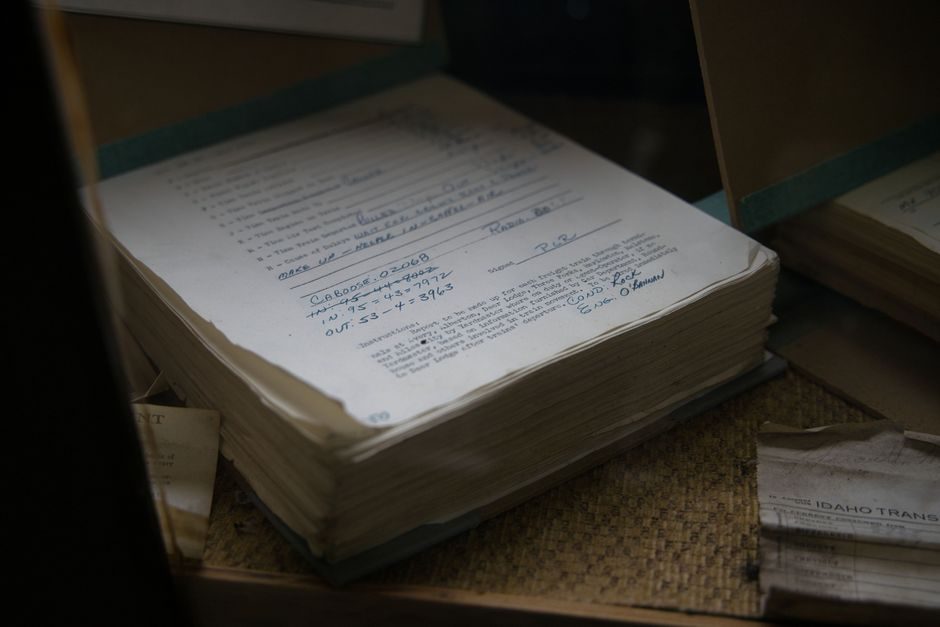
National archives and university collections
Many countries maintain centralized obituary indexes or archival databases that compile notices from multiple outlets. These collections often allow keyword searches by surname, first name, or location. Start with a national library or university archive that offers public access.
- Document each source with a citation
- Record access method (online, on-site, via library)
- Note any time restrictions or notice delays
Local historical societies may house microfilm or scanned copies of regional newspapers. These repositories can fill gaps not covered by commercial databases. When searching, use alternate spellings or diacritics common in German-language records.
If you encounter paywalls, note the citation and timing of the notice, then try free regional portals or library networks. Cross-check any payment barriers with library staff who can guide you to legitimate access routes.
- National archives and university collections
- Local historical societies
- Library access routes
- Alternate spellings and diacritics
Language considerations
Understanding obituary wording
German obituaries use formulaic phrases that indicate relationships, cause of death, and memorial wishes. Recognize terms for immediate family and typical phrases that signal memorial services or burial arrangements. This helps interpret the notice without misreading nuances.
Pay attention to abbreviations and regional spellings that may vary between newspapers. Historical notices may use older orthography or regional dialects. When in doubt, consult a bilingual source or glossary to confirm meaning.
Be aware that some notices are notices of death only, without a full obituary. In such cases, the basic identifiers (name, age, place) guide further searches in official registries.
- Formulaic phrasing
- Regional spellings and abbreviations
- Death notices vs full obituaries
- Bilingual glossaries for accuracy
Staying current with changes

Monitor evolving online directories
Calendars for obituary indexing change as newspapers merge or launch public databases. Regular checks of major German-language portals can reveal newly added notices. Create a routine to review a handful of trusted sites each week.
Set up alerts where available so you don’t miss updated entries or corrections. Use broad search terms and iterate with alternative spellings to catch late postings or retractions.
Document changes you observe, including dates of addition or correction, to track the reliability of a given source over time.
- Check major portals regularly
- Use alerts and varied spellings
- Record updates and corrections
- Build a reliable source list
Frequently asked questions
How do I verify the accuracy of an obituary found online?Cross-check the notice across at least two independent sources and look for consistency in names, dates, and locations. If possible, confirm with an official record or civil registry. Note any discrepancies and treat them as signals to search further rather than conclusions.
Can I rely on regional German newspapers for obituaries?Regional papers often post notices not available in national portals. Search both local editions and regional databases, and consider library microfilm where online access is limited. Corroborate by checking alternative spellings and related notices in nearby regions.
What if a notice is only in German?Use the key identifiers (name, birth and death dates, place) to search across German-language portals, then translate essential terms to understand the context. If possible, consult a bilingual colleague to confirm details and look for official records that corroborate.
Are there privacy considerations when researching obituaries?Public notices are intended for public record, but researchers should handle sensitive information with care. Avoid sharing full personal details beyond what is stated in reliable sources, and respect families’ privacy in reporting and archiving.
Conclusion
The process of finding obituaries in Germany online for US readers relies on methodical searching, cross-referencing, and language awareness. Begin with broad national collections and fill gaps with regional databases, then verify critical facts against official records when possible.
Keep careful notes on sources, dates, and any uncertainties. This discipline helps reporters and researchers tell accurate stories while respecting families and archives.
Add Hong Kong News TV: Latest Hong Kong News & Updates as a preferred source on Google


