
How to buy and sell in Spain: clear, practical guide
A factual explainer for readers in Hong Kong on buying and selling in Spain, with step-by-step options, common pitfalls, and tips for reliable transactions.

Many readers ask how to buy and sell in Spain safely and efficiently. This explainer lays out the steps, from planning to choosing a platform, so you can transact with confidence. It distinguishes practical options, common pitfalls, and trusted tips that apply whether you are an individual buyer or a small seller.
The guide covers legal basics, payment practices, and how to verify offers. It emphasizes transparent processes and timing to avoid delays. Readers will gain a clear picture of where to start and how to evaluate opportunities in Spain.
By focusing on concrete actions and real-world checks, the article helps you make informed decisions. You will learn when to research, whom to contact, and how to document each interaction to protect yourself.
- This explainer breaks down buying and selling in Spain into practical steps.
- It covers how to choose platforms, verify sellers, and protect payments.
- Readers will learn concrete ways to assess listings and avoid common problems.
Legal groundwork
In Spain, purchases and sales follow civil and commercial rules that protect both parties. Start by understanding consumer rights and tax obligations tied to your transaction type. This includes who bears responsibility for delivery damage and returns. comprar y vender en España is a key phrase for cross-border transactions explained here.
Platform basics
Choose a platform with clear dispute resolution and verifiable feedback. Compare policies on refunds, shipping, and authentication of goods. Avoid deals that require upfront payment without protection.
Evaluating listings

Look for complete product details, clear photos, and verified seller information. Check for consistent pricing, delivery estimates, and return windows. A cautious seller usually provides documentation or receipts. A useful resource on this topic: España Reporte últimas noticias.
- Verify seller contact details
- Ask for additional photos or specs
- Check recent listing history
Direct vs marketplace
Direct deals can save fees but reduce protections unless properly documented. Marketplaces often offer buyer protections, escrow, and dispute handling. Weigh the trade-offs based on your risk tolerance and transaction size.
Secure payments
Prefer methods with traceable records and chargeback options when available. Avoid wiring money to unknown accounts. Document every agreement and payment reference. agenda de eventos en España helps readers plan participation or monitoring of events relevant to trade and policy.
- Agree on payment terms
- Initiate payment via protected method
- Confirm receipt and condition of goods
- Close the deal with written confirmation
- Use escrow if offered
- Keep receipts or screenshots
- Match payment name to seller identity
| Method | Pros | Cons |
|---|---|---|
| Escrow | Adds protection during the transaction | May incur fees |
| Direct payment | Simple but riskier without protections | No tracking unless provided by seller |
| Tracked shipping | Can be insured and monitored | Delivery times vary |
Shipping and risk
Clarify who bears shipping costs and who handles customs if relevant. Request insured shipping and trackable delivery. Define when risk transfers from seller to buyer.
Common scams

Be wary of offers that seem too good to be true or require rushed decisions. Check for inconsistencies in photos or descriptions. Do not share sensitive data beyond what is necessary for the deal. añadir tu negocio en España outlines steps to legally list a business for sale or service in Spain.
- Suspicious payment requests
- Incomplete seller information
- Pressured delivery timelines
Legal red flags
Avoid deals that ignore applicable taxes or consumer protections. Understand import duties, if any, and the responsibility for declaring value. Non-compliance can lead to delays or fines.
Document everything you agree on, from prices to delivery timelines, and confirm details in writing.
Practical steps for new buyers
Start with a clear goal for what you want to buy or sell, and set a realistic budget to avoid impulse buys. Identify dependable channels such as local marketplaces or community groups, and verify listings before contacting sellers. When you test a product, write down key questions you asked and the seller’s responses to compare later. avisos de defunción en España
Document everything you agree on, from prices to delivery timelines, and confirm details in writing. If a transaction involves a service, request a contract or receipt that lists duties and fees. Keep a payment trail and a contact log in case issues arise.
Anticipate a learning curve: even common goods can have regional quirks in Spain. Compare several offers to gauge fair value, and be ready to walk away if terms don’t feel right. This reduces the risk of rushed, regretful decisions.
- Know where to check for verified sellers
- Prepare a simple checklist for each deal
- Ask for a written record of terms
- Keep receipts and contact details
- Test products in a safe, practical way
Secure methods and timing
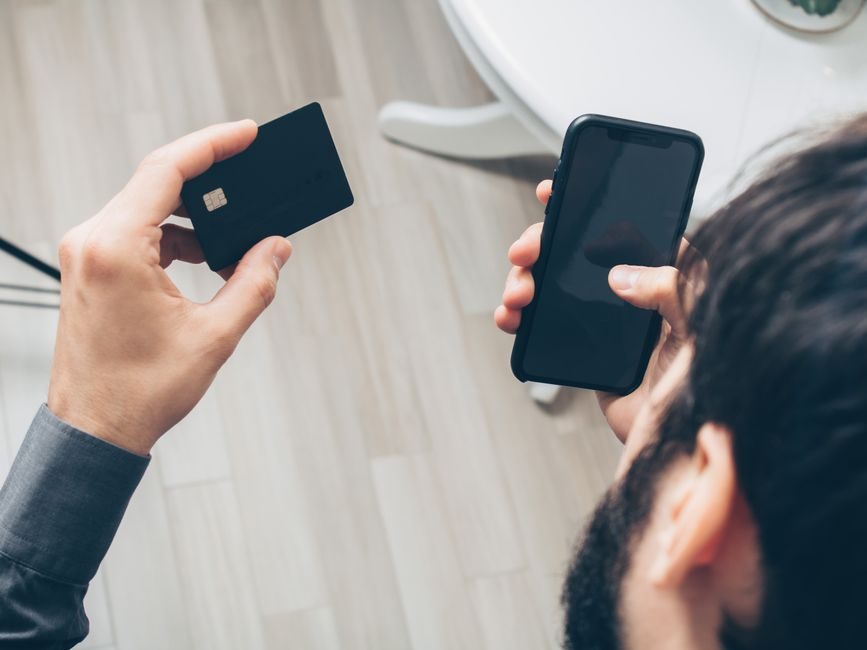
Use traceable payment methods where possible, and avoid cash-only deals when a receipt is not provided. Agree on a defined delivery timeframe and establish who covers the transport costs. If a seller offers a warranty or guarantee, request details in writing before payment.
Coordinate a delivery location that is safe and accessible, and confirm a contact person for handover. In markets with high traffic, consider meeting at a public place and inspecting the item before completing payment.
Finally, verify the item’s condition upon receipt and record any discrepancies immediately. If a dispute arises, rely on written communications and the original proof of purchase to support your claim.
- Choose traceable payments
- Set a delivery window
- Inspect on delivery
- Keep a record of terms
- Confirm warranty details
Online versus offline routes
Online platforms can offer buyer protections and easier comparison, but handling returns may be slower. Offline routes, like local markets or direct seller contact, can be faster for urgent needs but risk inconsistent information. Weigh the trade-offs based on what you’re buying and your tolerance for risk.
- Verify seller rating and protections
- Ask for clear ownership proof
- Document all terms
- Confirm return or dispute policy
If you use a platform, read the seller’s rating and the platform’s dispute resolution policy. For direct deals, prefer items with multiple photos and a clear history of ownership or use. Always verify taxes or import rules if crossing borders within the country.
Keep in mind regional variations in Spain, where certain regions have stricter consumer rules or different norms around informal sales. Adjust expectations accordingly and keep records for any regional guidance you encounter.
- Compare online and offline pros and cons
- Check platform protections
- Verify ownership history
- Watch for regional rules
- Document agreements clearly
Frequently asked questions
Is it safer to use a platform or deal directly with a seller?Platforms offer built-in protections and dispute processes, which can reduce risk for first-time buyers. Direct deals can be faster or cheaper but require careful documentation and clear terms. Assess the item value and your comfort with risk before choosing.
What documents should I collect for a large purchase?Request proof of ownership, a receipt, item description, and any warranties or return terms. Keep copies of all communications, photos of the item, and a written agreement detailing delivery and payment terms.
How do I handle returns or refunds if something goes wrong?Contact the seller promptly, reference your written agreement, and follow the platform’s or local consumer rules. If negotiations stall, use documented evidence and dispute channels offered by the service you used.
What regional differences affect buying in Spain?Consumer protections and informal selling norms can vary by region. Check for local rules on taxes, registration, and warranties, and tailor steps like inspection and documentation to the area you transact in.
Final steps for steady transactions
Begin with one controlled purchase to validate your process, then scale up gradually. Maintain a clear log of inquiries, terms, deliveries, and receipts to build a reliable track record.
Use this guide as a checklist before any deal: verify identity, confirm terms in writing, inspect upon delivery, and keep all records accessible for future reference. With these habits, readers create predictability in Spain’s diverse markets.
Add Hong Kong News TV: Latest Hong Kong News & Updates as a preferred source on Google


