Introduction
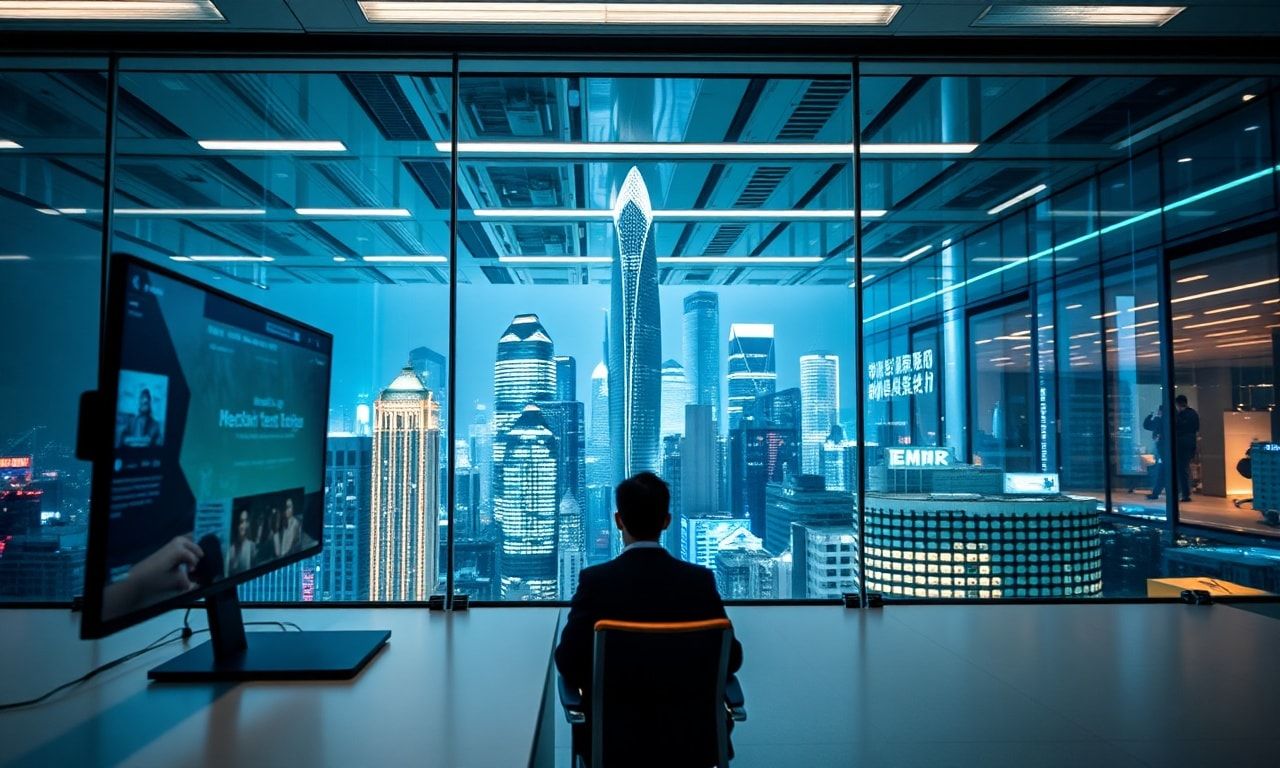
Hong Kong, a global financial hub, has long been at the forefront of technological innovation. As the world grapples with economic uncertainties and geopolitical tensions, the city’s tech scene is adapting and evolving. This article explores the current state of Hong Kong’s tech industry, highlighting key trends, challenges, and opportunities.
The Rise of Hong Kong’s Tech Ecosystem
The past decade has seen a significant rise in Hong Kong’s tech ecosystem. The city has become a hotspot for startups, attracting substantial investment and fostering a culture of innovation. According to a recent report, Hong Kong’s startup ecosystem has grown by over 30% in the last five years, with a particular emphasis on fintech, biotech, and smart city solutions.
Government initiatives, such as the Hong Kong Monetary Authority’s Fintech Innovation Hub and the Cyberport Incubation Program, have played a crucial role in nurturing this growth. These programs provide funding, mentorship, and resources to budding entrepreneurs, helping them turn their ideas into viable businesses.
Key Sectors Driving Growth
The tech industry in Hong Kong is diverse, with several key sectors driving growth. Fintech, in particular, has seen remarkable progress, with the city becoming a leading hub for digital payments, blockchain, and virtual banking. Companies like Tencent and Alibaba have established significant operations in Hong Kong, further cementing its status as a fintech leader.
Biotech is another sector experiencing rapid growth. The city’s strategic location and robust infrastructure make it an ideal place for biotech startups. The government has also introduced various incentives to attract investment in this sector, including tax breaks and grants for research and development.
Smart city solutions are also gaining traction. Hong Kong’s dense urban environment provides a unique testing ground for innovative technologies aimed at improving urban living. Projects focused on smart transportation, energy efficiency, and waste management are being actively pursued, with the goal of making Hong Kong a model smart city.
Challenges and Opportunities
Despite the impressive growth, Hong Kong’s tech scene faces several challenges. Geopolitical tensions, regulatory uncertainties, and competition from other Asian hubs like Singapore and Shanghai pose significant hurdles. However, these challenges also present opportunities for innovation and adaptation.
One of the major challenges is the talent shortage. The tech industry requires a highly skilled workforce, and Hong Kong is competing with other global hubs for top talent. To address this, the government has introduced various initiatives to attract and retain skilled professionals, including visa reforms and education programs.
Another challenge is the need for regulatory clarity. As new technologies emerge, there is a growing need for clear and consistent regulations. The government is working closely with industry stakeholders to develop frameworks that foster innovation while ensuring consumer protection and data security.
Navigating Global Uncertainties
Global uncertainties, such as trade wars and economic downturns, have a significant impact on Hong Kong’s tech industry. Companies are increasingly looking for ways to mitigate risks and ensure business continuity. Diversifying supply chains and exploring new markets are among the strategies being adopted.
For instance, many Hong Kong-based tech companies are expanding into Southeast Asia, where there is a growing demand for digital solutions. This expansion not only helps companies tap into new markets but also reduces their dependence on a single region.
Additionally, companies are leveraging technology to enhance their resilience. Artificial intelligence, big data, and cloud computing are being used to optimize operations, improve decision-making, and drive innovation. This digital transformation is crucial for staying competitive in an increasingly uncertain global landscape.
The Role of Innovation in Shaping the Future
Innovation is at the heart of Hong Kong’s tech industry. The city’s ability to adapt and innovate will be key to its future success. Companies are investing heavily in research and development, exploring new technologies, and collaborating with academic institutions to drive progress.
One area of particular interest is the Internet of Things (IoT). Hong Kong’s dense urban environment provides an ideal testing ground for IoT solutions aimed at improving urban living. Projects focused on smart transportation, energy efficiency, and waste management are being actively pursued, with the goal of making Hong Kong a model smart city.
Another emerging trend is the integration of AI and machine learning into various industries. From healthcare to finance, AI is transforming the way businesses operate. Hong Kong’s tech companies are at the forefront of this revolution, developing cutting-edge solutions that are being adopted globally.
For those looking to stay ahead of the curve, keeping an eye on the latest trends and innovations is crucial. Websites like en iyi elektronik fırsatları 2026 offer valuable insights into the latest electronic opportunities and trends, helping businesses and consumers alike stay informed and make informed decisions.
Conclusion
Hong Kong’s tech scene is a dynamic and evolving landscape. Despite the challenges posed by global uncertainties and competition, the city’s tech industry continues to thrive, driven by innovation, government support, and a culture of entrepreneurship. As the world navigates the complexities of the 21st century, Hong Kong’s ability to adapt and innovate will be key to its future success.
The coming years will be crucial for the tech industry in Hong Kong. With the right strategies and investments, the city can solidify its position as a global tech hub and continue to drive innovation and growth in the region.
In the rapidly evolving landscape of health and technology, a new article explores tech-driven wellness innovations shaping current trends.
Innovations in technology continue to reshape traditional art forms, as highlighted in our latest feature, virtual reality’s impact on jewelry design.