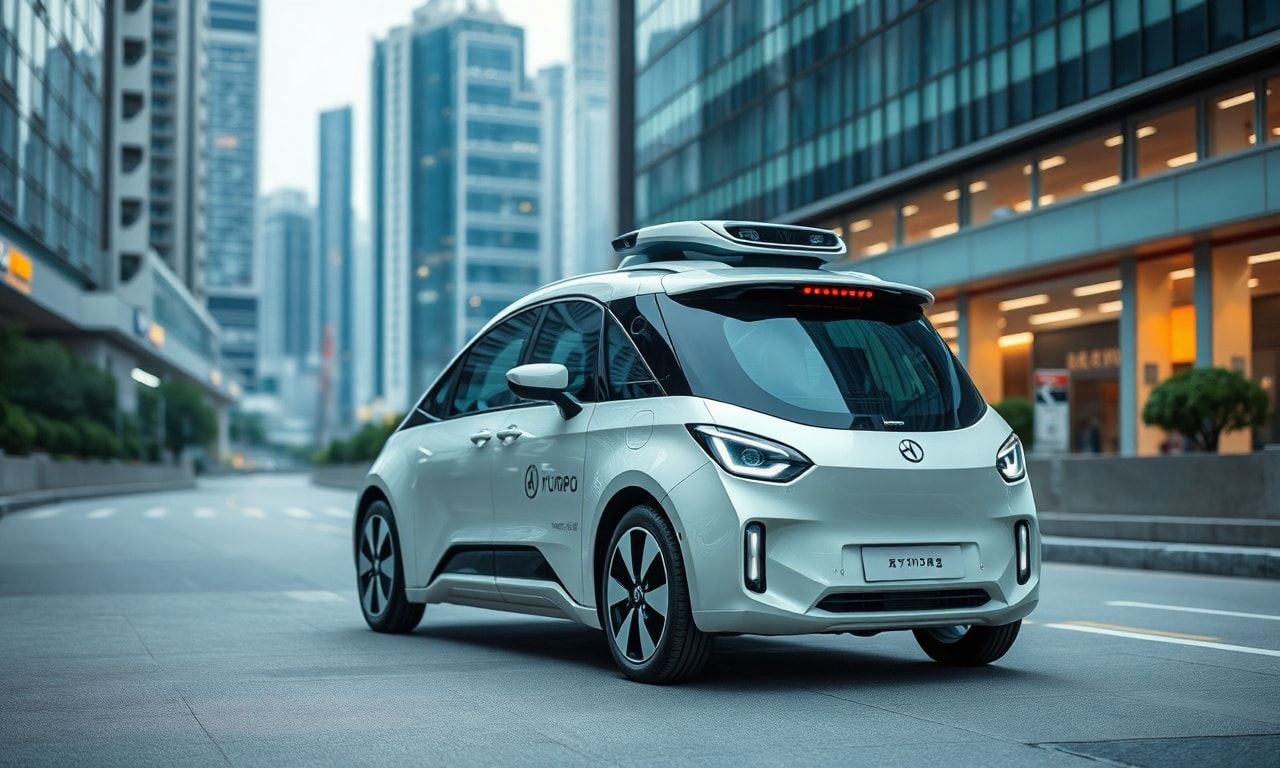
The Future of Transportation: Hong Kong’s Foray into Autonomous Vehicles
Hong Kong, a city renowned for its technological advancements and innovative spirit, is making significant strides in the realm of autonomous vehicle technology. As the world grapples with the implications of self-driving cars, Hong Kong is positioning itself as a frontrunner in this transformative industry. The city’s unique urban landscape, characterized by dense populations and complex infrastructure, presents both challenges and opportunities for the development and deployment of autonomous vehicles.
The Role of Government and Private Sector Collaboration
The Hong Kong government, in collaboration with private sector entities, is actively fostering an environment conducive to the growth of autonomous vehicle technology. Initiatives such as the Smart City Consortium and the Hong Kong Automotive Technology and Research Institute (HKATRI) are at the forefront of this endeavor. These organizations are engaged in extensive research and development activities, aiming to address the technical, regulatory, and ethical aspects of autonomous driving.
One of the key areas of focus is the integration of autonomous vehicles into the existing transportation ecosystem. This involves the development of robust communication networks, advanced traffic management systems, and comprehensive safety protocols. The collaboration between government agencies and private companies is crucial for ensuring that these technologies are deployed in a manner that enhances public safety and convenience.
Challenges and Considerations
Despite the promising advancements, the path to widespread adoption of autonomous vehicles in Hong Kong is not without its challenges. The city’s dense urban environment, with its narrow streets and heavy traffic, poses significant hurdles for the seamless operation of self-driving cars. Additionally, the ethical and legal implications of autonomous driving, such as liability in case of accidents and the protection of personal data, require careful consideration and regulation.
Moreover, the public’s acceptance of autonomous vehicles is a critical factor in their successful implementation. Educating the public about the benefits and safety features of autonomous driving is essential for gaining their trust and support. The government and private sector must work together to address these concerns and ensure that the transition to autonomous vehicles is smooth and beneficial for all stakeholders.
The Global Context and Hong Kong’s Position
Hong Kong’s efforts in the field of autonomous vehicle technology are part of a broader global trend. Countries around the world are investing heavily in research and development to stay ahead in this rapidly evolving industry. The tech news for automotive industry is replete with examples of innovative projects and breakthroughs that are shaping the future of transportation. Hong Kong’s unique position as a global financial and technological hub enables it to leverage these global advancements and adapt them to its specific needs.
Innovative Projects and Pilot Programs
Several innovative projects and pilot programs are underway in Hong Kong to test and refine autonomous vehicle technology. For instance, the Hong Kong University of Science and Technology (HKUST) has been conducting extensive research on autonomous driving algorithms and their applications in urban settings. These projects involve the deployment of autonomous shuttles and taxis in controlled environments to gather data and assess their performance.
Additionally, private companies such as Uber and Tesla have shown interest in expanding their autonomous vehicle services to Hong Kong. These companies bring with them cutting-edge technology and expertise, which can significantly accelerate the development and deployment of autonomous vehicles in the city. The collaboration between these global tech giants and local institutions is crucial for fostering innovation and driving progress in the field.
The Road Ahead
The journey towards a future where autonomous vehicles are an integral part of Hong Kong’s transportation system is filled with both opportunities and challenges. The city’s proactive approach, characterized by strong government support, private sector collaboration, and a focus on research and development, positions it well to navigate this complex landscape. As the world continues to evolve in the realm of autonomous driving, Hong Kong’s pioneering steps will undoubtedly contribute to shaping the future of transportation.
In conclusion, Hong Kong’s foray into autonomous vehicle technology is a testament to its commitment to innovation and progress. By addressing the challenges and leveraging the opportunities presented by this transformative technology, Hong Kong is poised to become a leader in the global autonomous vehicle industry. The city’s unique urban environment, coupled with its technological prowess, makes it an ideal testing ground for the deployment of autonomous vehicles. As the world watches, Hong Kong’s journey in this field will undoubtedly inspire and inform the broader global conversation on the future of transportation.
As education continues to evolve in the digital age, tech skills for students are becoming increasingly vital, according to a new report.
As the celestial event approaches, our latest feature exploring the 2024 eclipse offers a comprehensive look at what to expect.
In the rapidly evolving world of automotive technology, a new article delves into software advancements in vehicle maintenance, offering a comprehensive look at the latest developments.