Introduction
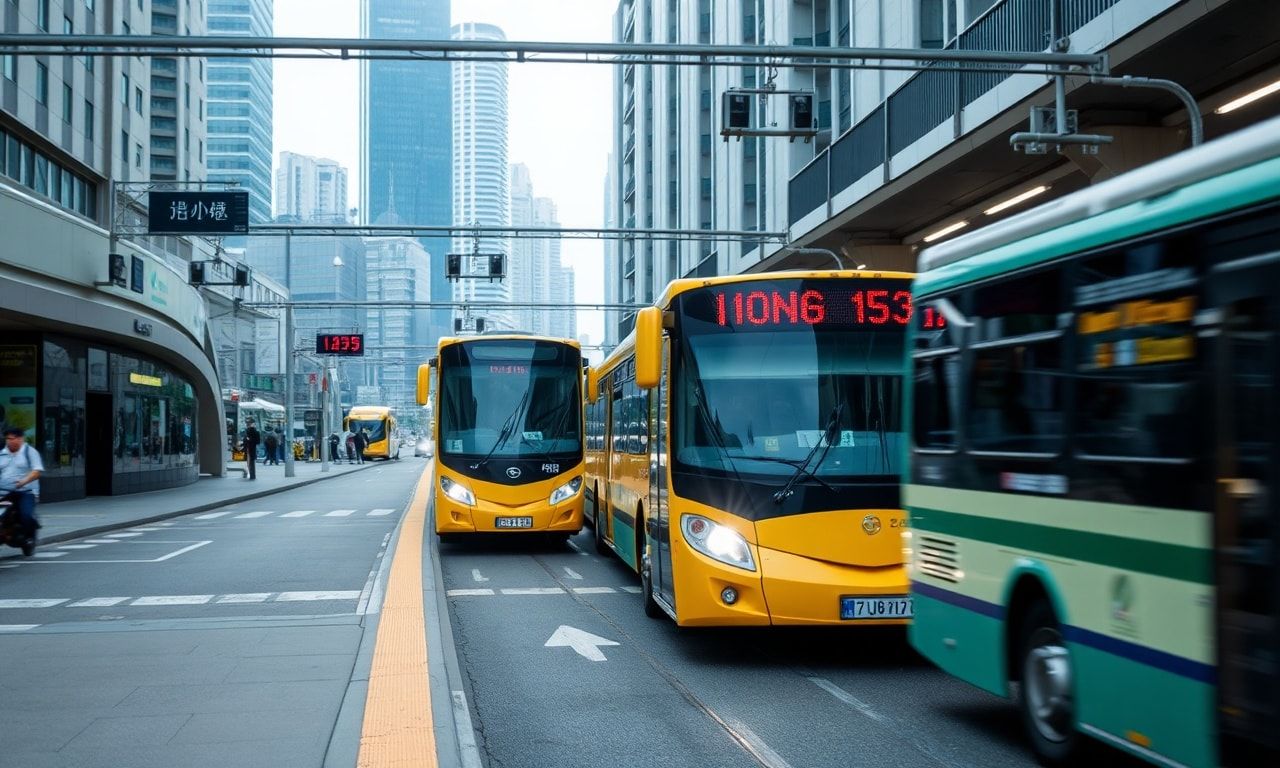
Hong Kong, a bustling metropolis known for its dense population and vibrant economy, has always been at the forefront of transportation innovation. Recent developments in the city’s transportation sector have sparked significant interest among residents and urban planners alike. This article delves into the latest trends and updates shaping Hong Kong’s transportation landscape, from public transit enhancements to the rise of electric vehicles and the enduring popularity of motorcycles.
The MTR’s Expansion Plans
The Mass Transit Railway (MTR), the backbone of Hong Kong’s public transportation system, continues to expand its reach. The latest addition to the network is the Tuen Ma Line, which began full operation in February 2020. This new line connects several key areas, including Tuen Mun and Hung Hom, providing residents with more convenient travel options. The MTR Corporation has also announced plans to extend the South Island Line, further enhancing connectivity in the southern part of Hong Kong Island.
The expansion of the MTR network is not only aimed at improving connectivity but also at reducing road traffic congestion. By providing more efficient and reliable public transportation options, the MTR hopes to encourage residents to leave their cars at home. This aligns with the Hong Kong government’s long-term vision of creating a more sustainable and environmentally friendly city.
Enhancing Passenger Experience
In addition to expanding its network, the MTR Corporation is also focusing on enhancing the passenger experience. Recent upgrades include the installation of new air-conditioning systems, the introduction of free Wi-Fi services, and the implementation of a new mobile ticketing system. These improvements aim to make commuting more comfortable and convenient for passengers.
The MTR Corporation has also launched several initiatives to make the railway system more accessible to passengers with disabilities. These include the installation of tactile paving, the provision of wheelchair-accessible facilities, and the training of staff to better assist passengers with special needs. These efforts reflect the MTR’s commitment to creating an inclusive and barrier-free transportation system.
The Rise of Electric Vehicles
Electric vehicles (EVs) are gaining popularity in Hong Kong, driven by the city’s commitment to reducing carbon emissions and promoting sustainable transportation. The Hong Kong government has introduced several incentives to encourage the adoption of EVs, including tax exemptions, subsidies for the installation of charging infrastructure, and the provision of dedicated parking spaces.
In response to the growing demand for EVs, several international automakers have introduced new electric models in the Hong Kong market. These vehicles offer a range of features and price points, making them accessible to a wider range of consumers. The Hong Kong government has also launched a pilot scheme to promote the use of electric public light buses, further contributing to the city’s efforts to reduce emissions.
Charging Infrastructure
The development of charging infrastructure is a critical factor in the widespread adoption of EVs. The Hong Kong government has been working closely with private sector partners to expand the network of public charging stations. As of 2023, there are over 2,000 public charging points in Hong Kong, with plans to increase this number significantly in the coming years.
In addition to public charging stations, several residential and commercial buildings have also installed private charging points. The Hong Kong government has introduced guidelines to facilitate the installation of charging infrastructure in existing buildings, making it easier for residents to charge their EVs at home or at work.
The Enduring Popularity of Motorcycles
Despite the growth of public transportation and electric vehicles, motorcycles remain a popular mode of transport in Hong Kong. Their maneuverability and convenience make them an attractive option for residents, especially those living in densely populated areas. The motorcycle culture in Hong Kong is deeply ingrained, with a thriving community of enthusiasts and a wide range of models available in the market.
For motorcycle enthusiasts looking to enhance their riding experience, there are numerous aftermarket parts and accessories available. Websites like Honda bike air intake and performance parts offer a wide range of products designed to improve the performance and aesthetics of motorcycles. These parts can help riders customize their bikes to suit their individual preferences and riding styles.
Safety and Regulations
The Hong Kong government has implemented several measures to ensure the safety of motorcycle riders and other road users. These include the introduction of stricter licensing requirements, the enforcement of speed limits, and the promotion of safety awareness campaigns. The government has also been working to improve road infrastructure, including the construction of dedicated motorcycle lanes and the installation of safety barriers.
In addition to government initiatives, motorcycle clubs and organizations in Hong Kong play a crucial role in promoting safety and responsible riding practices. These groups organize events and workshops to educate riders about the importance of wearing protective gear, maintaining their motorcycles, and following traffic rules. By fostering a culture of safety and responsibility, these organizations contribute to the overall safety of Hong Kong’s roads.
Conclusion
Hong Kong’s transportation landscape is undergoing significant changes, driven by the city’s commitment to sustainability, innovation, and inclusivity. The expansion of the MTR network, the rise of electric vehicles, and the enduring popularity of motorcycles all reflect the diverse and dynamic nature of Hong Kong’s transportation sector. As the city continues to evolve, it is essential to strike a balance between meeting the growing demand for mobility and promoting sustainable and safe transportation options. By doing so, Hong Kong can maintain its status as a world-class city with a transportation system that is efficient, reliable, and environmentally friendly.
As the world shifts towards sustainable transportation, the rise of electric motorcycles offers a glimpse into the future of eco-friendly mobility.
As cities worldwide adapt to new mobility trends, our latest report, cycling’s growing city presence, examines the factors driving this shift in urban transportation.
In the realm of eco-friendly initiatives, Vermont is making strides with new sustainable transportation methods that could redefine the future of green commuting.