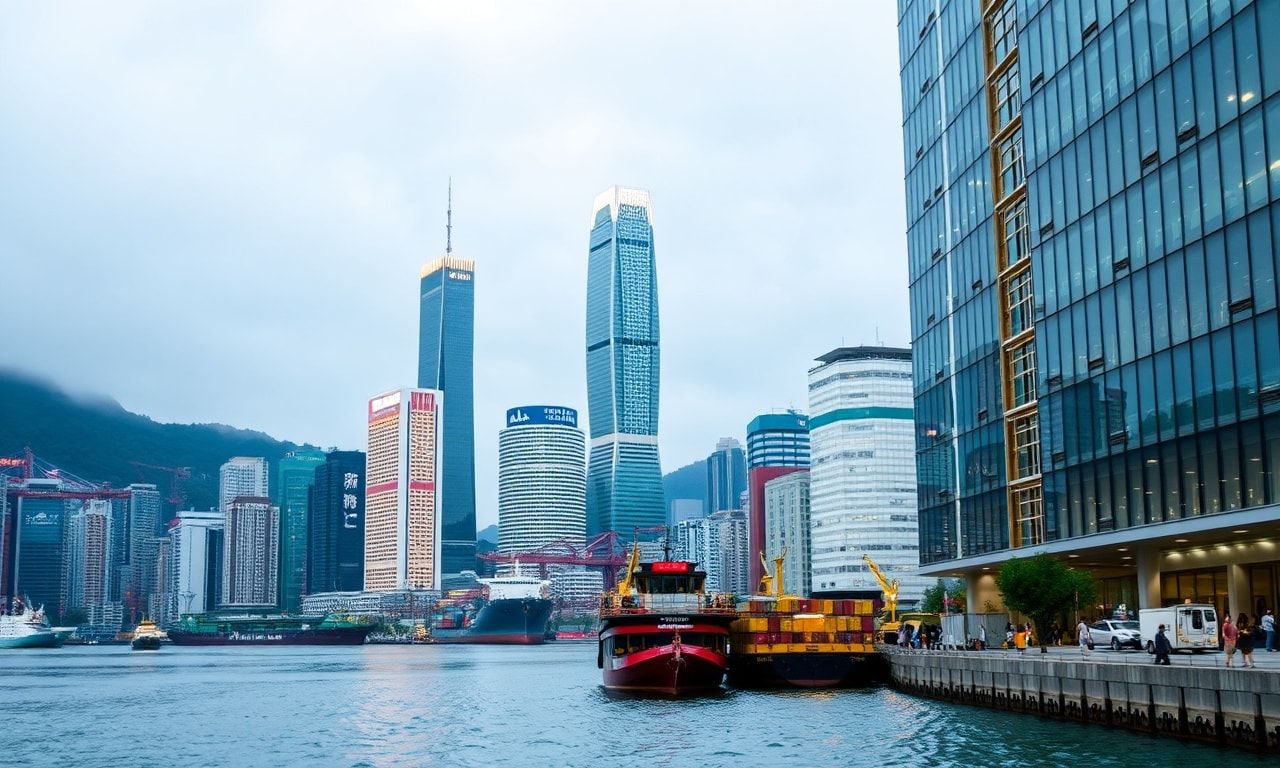
The Changing Landscape of Hong Kong’s Trade Relations
Hong Kong, a bustling metropolis known for its dynamic economy and strategic location, has long been a pivotal player in global trade. However, recent geopolitical shifts and economic policies have prompted a significant evolution in its trade relations. This transformation is reshaping the city’s role in international commerce, influencing both local businesses and global markets.
Impact of Geopolitical Tensions
The ongoing tensions between major global powers have had a profound impact on Hong Kong’s trade dynamics. As a major financial hub, Hong Kong has historically benefited from its position as a gateway between China and the rest of the world. However, the escalating trade disputes and political tensions have necessitated a strategic realignment. Businesses are now navigating a more complex landscape, where geopolitical considerations are as crucial as economic factors.
For instance, the trade war between the United States and China has led to a shift in supply chains. Many companies are diversifying their operations to mitigate risks, which has opened new opportunities for Hong Kong. The city’s robust infrastructure and business-friendly environment make it an attractive alternative for companies looking to establish a presence in the Asia-Pacific region.
Adapting to New Trade Policies
Hong Kong’s government has been proactive in adapting to the changing trade environment. The implementation of new policies aimed at fostering economic growth and attracting foreign investment has been a key focus. These policies include tax incentives, streamlined regulatory processes, and enhanced trade agreements with other countries. Such measures are designed to bolster Hong Kong’s competitiveness and ensure its continued relevance in the global trade arena.
One notable development is the signing of the Regional Comprehensive Economic Partnership (RCEP) agreement. This landmark trade deal, involving 15 Asia-Pacific countries, is expected to create a more integrated and dynamic regional economy. Hong Kong’s participation in RCEP is poised to strengthen its trade ties with neighboring economies, fostering greater economic cooperation and growth.
Exploring New Markets
In response to the evolving trade landscape, Hong Kong is actively exploring new markets to diversify its trade portfolio. While the city has traditionally relied heavily on trade with China, it is now expanding its reach to other regions, including Southeast Asia, India, and the Middle East. This strategic shift is aimed at reducing dependency on any single market and enhancing resilience in the face of global economic uncertainties.
For example, Hong Kong has been strengthening its trade relations with India, leveraging the growing demand for high-quality goods and services. The city’s advanced logistics and financial services sectors are well-positioned to support this expansion, providing a solid foundation for sustainable growth. Similarly, Hong Kong is exploring opportunities in the Middle East, where its expertise in financial services and trade finance is highly valued.
International Relations News Analysis
The evolving role of Hong Kong in global trade is a testament to the city’s adaptability and resilience. As geopolitical tensions continue to reshape the international trade landscape, Hong Kong is proactively positioning itself to capitalize on new opportunities. For a deeper understanding of these dynamics, insights from international relations news analysis can provide valuable perspectives on how global trade policies are influencing Hong Kong’s strategic decisions.
Moreover, the city’s commitment to innovation and technological advancement is further enhancing its appeal as a global trade hub. Initiatives such as the Hong Kong-Shenzhen Innovation and Technology Partnership and the Hong Kong Science and Technology Parks are fostering a vibrant ecosystem for startups and tech-driven enterprises. This focus on innovation is not only attracting investment but also positioning Hong Kong as a leader in the digital economy.
Conclusion
In conclusion, Hong Kong’s evolving role in global trade reflects its ability to adapt to changing geopolitical and economic conditions. By diversifying its trade portfolio, strengthening regional partnerships, and fostering innovation, the city is well-positioned to navigate the complexities of the modern trade landscape. As Hong Kong continues to evolve, its strategic initiatives and proactive policies will be crucial in shaping its future as a global trade leader.
Amidst the chaos of daily news cycles, consider exploring mindfulness techniques for journalists to maintain focus and balance.
To stay informed about the latest developments around the world, consider reviewing key international news updates from this past week.
To stay informed about the latest developments around the globe, consider exploring recent world news highlights that are shaping our current events.