Introduction
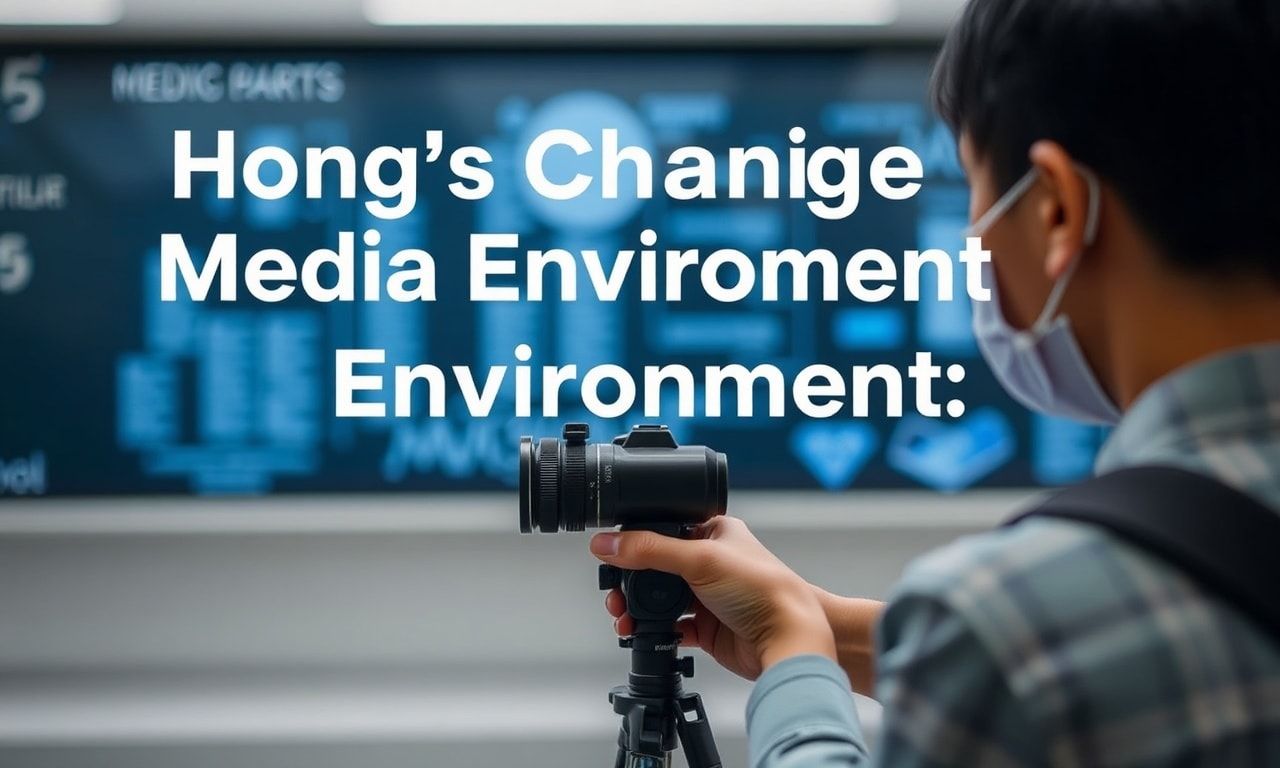
The media landscape in Hong Kong has been undergoing significant transformations, shaped by a complex interplay of technological advancements, socio-political dynamics, and global influences. As the city strives to maintain its status as a regional media hub, understanding these shifts is crucial for stakeholders and the public alike.
The Impact of Digital Transformation
The digital revolution has profoundly impacted traditional media outlets in Hong Kong. With the rise of online news platforms and social media, there has been a noticeable shift in how news is consumed. According to recent studies, a growing number of residents prefer to access news through digital channels rather than traditional print media. This transition has compelled established newspapers and broadcasters to adapt their strategies to stay relevant in the digital age.
Adapting to New Consumption Patterns
Media organizations are investing heavily in digital infrastructure to cater to the evolving preferences of their audience. This includes developing user-friendly websites, mobile applications, and engaging multimedia content. Additionally, the integration of data analytics allows news outlets to tailor their content to better meet the interests and needs of their readers. The ability to provide real-time updates and interactive features has become a key differentiator in the competitive media market.
Socio-Political Influences
The socio-political environment in Hong Kong has also played a significant role in shaping the media landscape. The city’s unique position as a Special Administrative Region of China, coupled with its historical ties to the West, has created a complex media ecosystem. Recent political developments have led to increased scrutiny and challenges for journalists and media organizations, affecting the way news is reported and consumed.
Navigating Regulatory Challenges
Media outlets in Hong Kong are navigating a delicate balance between adhering to regulatory frameworks and maintaining journalistic integrity. The implementation of new laws and regulations has raised concerns about press freedom and the independence of the media. Journalists and editors are grappling with the need to provide accurate and unbiased reporting while operating within the constraints of the legal landscape. This has led to a heightened focus on ethical journalism and the importance of maintaining public trust.
The Role of International Influences
Hong Kong’s media landscape is not only influenced by local dynamics but also by global trends and international relations. The city’s status as a global financial hub attracts a diverse range of international media outlets, contributing to a rich and varied media environment. However, geopolitical tensions and trade disputes can impact the operations of foreign media organizations, affecting the flow of information and the diversity of perspectives available to the public.
Collaboration and Competition
International collaboration among media organizations has become increasingly important in the current global context. Sharing resources, expertise, and information can enhance the quality and depth of reporting. At the same time, competition among both local and international media outlets drives innovation and excellence. The interplay between collaboration and competition shapes the media landscape, fostering a dynamic and resilient environment that can adapt to changing circumstances.
Looking Ahead: The Future of Media in Hong Kong
As Hong Kong continues to evolve, the media landscape will undoubtedly face new challenges and opportunities. The ability to adapt to technological advancements, navigate socio-political complexities, and leverage international influences will be crucial for the sustainability and growth of the media industry. For a current affairs analysis update, it is essential to stay informed about these developments and their implications for the future of journalism in the region.
The media landscape in Hong Kong is a microcosm of the broader global trends shaping the industry. By embracing innovation, upholding journalistic standards, and fostering a diverse and inclusive media environment, Hong Kong can continue to thrive as a regional media hub. The journey ahead will require collaboration, resilience, and a commitment to the principles of free and responsible journalism.
In a heartwarming display of unity, residents in Crawley recently gathered to honor their shared history, as detailed in Crawley’s heritage celebration event.
To understand the evolving landscape of news consumption, consider exploring social media’s impact on news and its role in shaping current events.
To understand the complexities of today’s news landscape, delve into digital news consumption trends, a comprehensive analysis of modern journalism practices.