Introduction
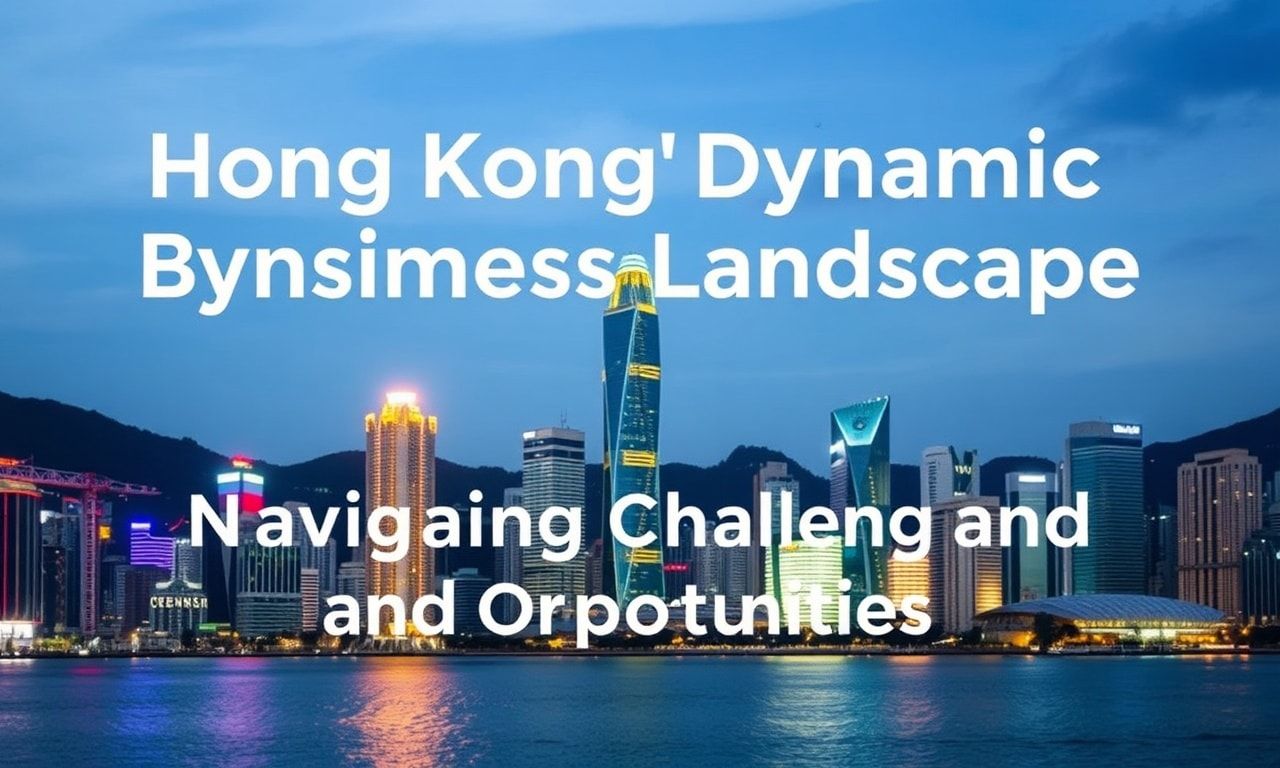
Hong Kong, a global financial hub, continues to evolve amidst a backdrop of international geopolitical shifts and local economic adjustments. This article delves into the multifaceted business environment of Hong Kong, highlighting key trends, challenges, and opportunities that define the region’s economic narrative.
Economic Resilience Amidst Global Uncertainty
The past few years have been marked by significant global events that have tested the resilience of economies worldwide. Hong Kong, with its robust financial infrastructure and strategic location, has shown remarkable adaptability. The city’s GDP has demonstrated steady growth, driven by sectors such as financial services, trade, and logistics. Despite challenges posed by the pandemic and geopolitical tensions, Hong Kong’s economy has exhibited a strong recovery trajectory.
Sector-Specific Growth
Various sectors in Hong Kong have shown promising growth. The financial services sector remains a cornerstone of the economy, contributing significantly to GDP. The city’s status as an international financial center has been bolstered by its advanced regulatory framework and deep talent pool. Additionally, the technology sector has seen substantial investment, with startups and established firms alike driving innovation and creating new opportunities.
Challenges Facing Hong Kong’s Business Community
While the outlook for Hong Kong’s business landscape is generally positive, several challenges persist. Geopolitical tensions, regulatory changes, and global economic uncertainties are among the key issues that businesses must navigate. For instance, the ongoing trade tensions between major economies have impacted supply chains and trade flows, requiring businesses to adopt more flexible and resilient strategies.
Moreover, the need for sustainable business practices has become increasingly important. Environmental concerns and the push for ESG (Environmental, Social, and Governance) compliance are driving companies to adopt greener and more socially responsible practices. This shift is not only a response to regulatory pressures but also a reflection of changing consumer preferences and investor expectations.
Adapting to Regulatory Changes
Regulatory changes, both locally and internationally, present another set of challenges. Businesses in Hong Kong must stay abreast of evolving regulations to ensure compliance and mitigate risks. For example, the implementation of new data privacy laws and anti-money laundering measures requires companies to invest in robust compliance frameworks. Staying informed through resources like the business news update weekly can help businesses navigate these complexities effectively.
Opportunities for Growth and Innovation
Despite the challenges, Hong Kong’s business environment is ripe with opportunities. The city’s strategic location as a gateway to Mainland China and other Asian markets offers unique advantages. Companies can leverage Hong Kong’s well-established financial and legal systems to expand into these markets, tapping into a vast consumer base and diverse investment opportunities.
Technological Advancements
Technological advancements are also creating new avenues for growth. The rise of fintech, for instance, has transformed the financial services sector, offering innovative solutions for payments, lending, and investment management. Hong Kong’s supportive regulatory environment and strong financial infrastructure make it an ideal hub for fintech innovation. Similarly, the adoption of digital technologies in other sectors, such as retail and healthcare, is driving efficiency and enhancing customer experiences.
Sustainable Business Practices
The push for sustainability presents another opportunity for businesses in Hong Kong. Companies that prioritize ESG principles can attract environmentally conscious consumers and investors. Initiatives such as green financing, renewable energy projects, and sustainable supply chain management are gaining traction. By embracing these practices, businesses can not only contribute to a more sustainable future but also enhance their competitive edge.
Conclusion
Hong Kong’s business landscape is characterized by a dynamic interplay of challenges and opportunities. While geopolitical tensions, regulatory changes, and global economic uncertainties pose significant hurdles, the city’s resilient economy and strategic advantages offer a fertile ground for growth and innovation. By staying informed, adapting to regulatory changes, and embracing sustainable practices, businesses in Hong Kong can navigate the complexities of the current environment and capitalize on emerging opportunities.
As Azerbaijan prepares for significant political changes, delve into the potential impacts of the upcoming elections in Azerbaijan.
To understand the broader implications of recent political developments, consider exploring Dominican elections’ worldwide effects and their significance in today’s global landscape.
To understand the changing landscape of journalism, consider exploring how tech shapes local news in our latest feature.